

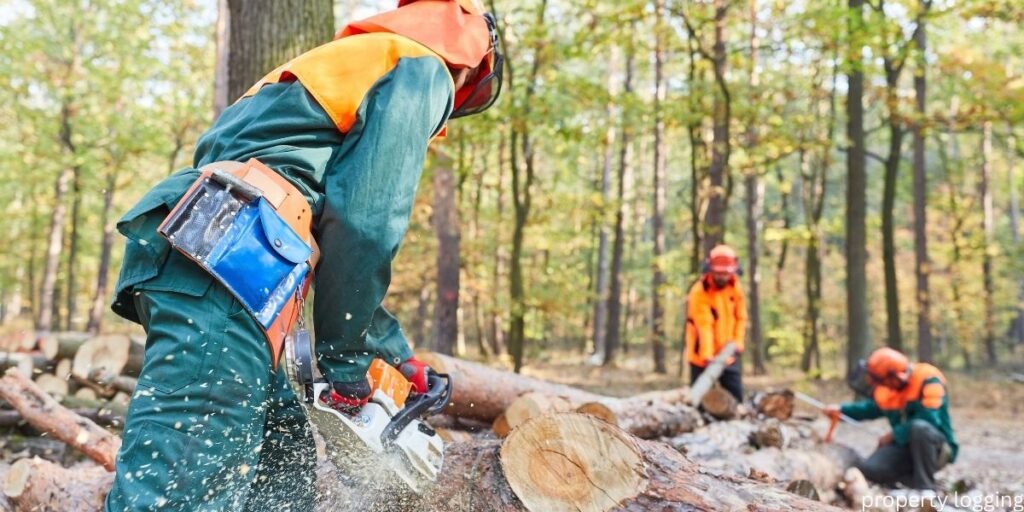

Property logging is the process of harvesting or removing trees from privately owned land for purposes such as timber sales, land clearing, safety, or long-term forest management. Unlike public or government forest logging, property logging places responsibility directly on the landowner to follow forestry regulations, zoning laws, and environmental protections.
In the United States and globally, property logging is legal in many areas—but only when done in compliance with state, local, and environmental laws. This is where many landowners get confused: owning land does not automatically mean unrestricted rights to log every tree on it.
Table of Contents
ToggleWhy Property Logging Matters
Property logging matters because it sits at the intersection of land value, environmental responsibility, and legal compliance.
For landowners, logging can:
-
Generate income through timber sales
-
Prepare land for development or agriculture
-
Reduce wildfire and storm-damage risk
-
Improve long-term forest health when done sustainably
At the same time, improper logging can result in:
-
Fines and lawsuits
-
Environmental damage
-
Permanent loss of land value
-
Conflicts with neighbors or local authorities
Understanding the process before cutting a single tree protects both your land and your investment.
Who Property Logging Is For
Property logging applies to a wide range of landowners and decision-makers, including:
-
Private landowners with wooded acreage
-
Farmers and ranch owners
-
Real estate developers
-
Timber investors
-
Rural property owners
-
Commercial landholders
Whether you own 5 acres or 500, logging decisions carry financial and legal consequences.
Is Property Logging Legal in the USA?
In most U.S. states, property logging is legal—but regulated.
Key factors that determine legality include:
-
State forestry regulations
-
County or municipal zoning laws
-
Environmental protection rules
-
Protected species and habitats
-
Waterway buffer requirements
Some states allow limited logging without permits, while others require approvals even for small-scale tree removal. Logging near rivers, wetlands, or protected habitats almost always requires special permits.
Because rules vary widely, checking with your state forestry department or a certified forester is essential before proceeding.

Types of Property Logging
Selective Logging
Selective logging removes specific trees based on size, species, or condition. It is commonly used for sustainable forestry and long-term land value preservation.
Pros
-
Lower environmental impact
-
Maintains forest structure
-
Better long-term value
Cons
-
Slower returns
-
Requires professional planning
Clear-Cut Logging
Clear-cut logging removes all trees in a designated area. It is often used for land development or agriculture.
Pros
-
Fast land clearing
-
Lower per-acre cost
Cons
-
High environmental impact
-
Increased erosion risk
-
Often stricter regulations
Salvage Logging
Salvage logging removes trees damaged by storms, fires, pests, or disease. Timing is critical to preserve timber value.
How Property Logging Works (Step-by-Step)
-
Land and Tree Assessment
A forester evaluates tree species, timber volume, land use, and environmental sensitivity. -
Legal and Permit Review
Permits may be required depending on location, tree type, and proximity to waterways or protected land. -
Timber Valuation
Timber cruising is used to estimate volume and market value based on species, quality, and demand. -
Hiring a Logging Contractor
Licensed and insured logging contractors execute the harvesting under agreed terms. -
Logging Operations
Equipment such as harvesters, skidders, and forwarders are used, following erosion and safety controls. -
Post-Logging Land Care
Includes debris management, reforestation (if required), and soil stabilization.
Forester vs Logging Contractor: Who Do You Need?
| Role | Primary Function |
|---|---|
| Forester | Planning, valuation, compliance, sustainability |
| Logging Contractor | Physical harvesting and hauling |
Hiring a forester before hiring a logger often protects landowners from underpricing timber or violating regulations.
Costs, Pricing, and Profit Potential
Property logging costs and profits vary widely based on:
-
Tree species
-
Timber volume
-
Terrain and accessibility
-
Market demand
-
State regulations
Some landowners are paid directly for timber, while others pay contractors for clearing services. Net profit depends on careful planning and fair contracts.
Market timing also matters—timber prices fluctuate just like other commodities.
Environmental Impact and Sustainability
Sustainable property logging focuses on long-term land health rather than short-term gain. Best practices include:
-
Maintaining buffer zones near waterways
-
Preventing soil erosion
-
Protecting wildlife habitats
-
Replanting trees when required
Organizations like the USDA Forest Service and FSC promote responsible forestry standards that balance economic use with conservation.
Common Risks and Mistakes in Property Logging
Many problems arise when landowners rush into logging without guidance.
Common mistakes include:
-
Logging without required permits
-
Hiring unlicensed contractors
-
Selling timber without valuation
-
Ignoring protected species laws
-
Skipping post-logging restoration
These errors often lead to financial loss or legal trouble.
Property Logging vs Land Clearing
Property logging focuses on harvesting timber for value or forest management. Land clearing prioritizes removing vegetation for development and may involve additional environmental permits.
Choosing the wrong approach can increase costs or limit future land use.
Decision Guide: Should You Log Your Property?
Ask yourself:
-
Is logging legally allowed on my land?
-
Do I want timber income or land clearing?
-
Have I checked timber value?
-
Am I prepared to manage environmental impact?
-
Do I have professional guidance?
If you cannot confidently answer yes, pause and seek expert advice.
Post-Logging Land Management
After logging, responsible land management includes:
-
Stabilizing soil
-
Managing runoff
-
Replanting trees (if required)
-
Monitoring regrowth
Good post-logging care protects long-term land value and prevents regulatory issues.
Real-World Scenarios
-
Rural Landowner: Selective logging improves forest health while generating income.
-
Developer: Clear-cut logging prepares land for construction but requires strict permits.
-
Storm-Damaged Property: Salvage logging recovers value before timber deteriorates.
Each scenario demands a different strategy.
FAQs
Is property logging legal on private land?
Yes, in most areas, but it must comply with state and local forestry and environmental regulations.
Do I need a permit to log my own trees?
Often yes, especially near waterways or protected areas. Rules vary by state and county.
How much money can you make from property logging?
It depends on tree species, volume, and market demand. Professional valuation is key.
What trees are protected from logging?
Protected species vary by region and may include old-growth, endangered, or heritage trees.
Should I hire a forester before logging?
Yes. A forester helps with valuation, permits, and sustainable planning.
What happens if I log without permission?
You may face fines, legal action, or forced restoration.
Is selective logging better than clear-cutting?
For long-term land value and environmental health, selective logging is often preferred.
Conclusion
Property logging can be a smart and profitable decision when done correctly—but it is never a casual one. Legal compliance, professional guidance, and sustainable practices separate successful landowners from costly mistakes. Before logging your property, understand the rules, know your timber’s value, and plan with long-term land health in mind.