
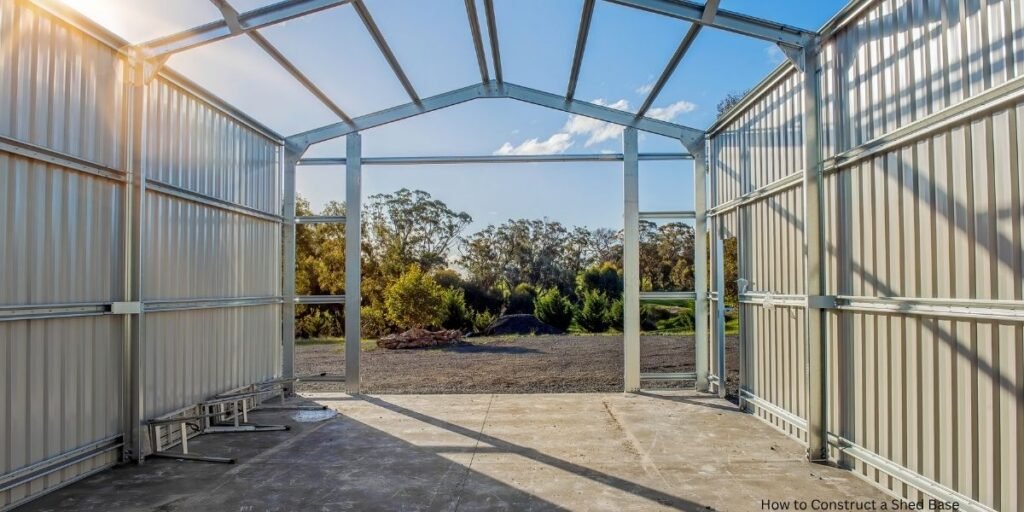

Knowing how to construct a shed base correctly is one of the most important parts of building a long-lasting shed. A strong foundation keeps the structure level, improves drainage, prevents moisture damage, and supports the shed’s weight for years.
Whether you are installing a small garden shed, a prefab storage unit, or a heavy workshop shed, the right foundation prevents common problems such as:
- Uneven floors
- Rotting timber
- Water pooling
- Cracked walls
- Structural movement
- Sticking doors
The good news is that most homeowners can build a durable DIY shed base with basic tools, proper preparation, and the right materials.
What Is a Shed Base?
A shed base is the foundation placed beneath a shed to create a stable, level, and moisture-resistant platform.
It helps with:
- Load distribution
- Drainage control
- Ground stability
- Frost protection
- Settlement prevention
Without a proper shed foundation, the structure may sink or shift over time, especially in wet or unstable soil conditions.
Why a Proper Shed Foundation Matters
A strong shed base is not just about support. It protects the entire structure from environmental damage and long-term wear.
Prevents Water Damage
A raised and well-drained base keeps moisture away from timber flooring and framing.
Improves Structural Stability
Compacted aggregate and reinforced surfaces reduce movement and uneven settling.
Extends Shed Lifespan
Concrete slabs and properly installed gravel bases can last decades with minimal maintenance.
Helps Doors and Windows Stay Aligned
An uneven base twists the frame, causing sticking doors and warped windows.
Supports Heavy Loads
Workshop sheds, riding mowers, and heavy storage require a stable load-bearing foundation.
Best Types of Shed Bases
The best shed base depends on:
- Shed size
- Ground conditions
- Climate
- Budget
- Drainage needs
- Intended use
Gravel Shed Base
A gravel shed base is one of the most popular options for DIY projects.
Best For
- Garden sheds
- Resin sheds
- Metal sheds
- Wet climates
Pros
- Excellent drainage
- Affordable installation
- Easy maintenance
- Less cracking risk
Cons
- Not ideal for extremely heavy equipment
- Requires retaining edges
Use crushed stone or compactable aggregate instead of pea gravel. Angular gravel locks together and creates better stability.
Concrete Shed Base
A concrete slab foundation provides maximum durability and structural strength.
Best For
- Large sheds
- Workshop sheds
- Permanent outdoor buildings
- Heavy storage
Pros
- Extremely durable
- Long lifespan
- Excellent load distribution
- Minimal maintenance
Cons
- Higher installation cost
- Longer curing time
- More labor-intensive
In cold climates like Canada and northern US states, frost-proof footings and reinforced concrete are often recommended.
Paving Slab Shed Base
Paving slabs create a durable and attractive foundation.
Best For
- Medium-sized sheds
- Decorative garden buildings
- Budget-conscious homeowners
Pros
- Easy to repair
- Attractive finish
- Good stability
Cons
- Requires precise leveling
- Can shift if sub-base is weak
Timber Frame Shed Base
A pressure-treated timber frame lifts the shed above ground level.
Best For
- Uneven terrain
- Temporary structures
- Wet ground
Pros
- Fast installation
- Improved airflow
- Lightweight option
Cons
- Shorter lifespan than concrete
- Timber may deteriorate over time
Gravel vs Concrete Shed Base
| Feature | Gravel Base | Concrete Base |
|---|---|---|
| Drainage | Excellent | Moderate |
| DIY Difficulty | Easier | Harder |
| Cost | Lower | Higher |
| Heavy Load Capacity | Moderate | High |
| Lifespan | 10–20 years | 30–50+ years |
| Maintenance | Low | Very Low |
For most backyard sheds, gravel provides the best balance between cost, drainage, and ease of installation.
Tools and Materials Needed
Essential Tools
- Shovel
- Wheelbarrow
- Tape measure
- Spirit level
- Laser level
- Plate compactor
- Hand tamper
- Rubber mallet
- String line
Common Materials
- Crushed stone
- MOT Type 1 aggregate
- Geotextile membrane
- Rebar mesh
- Concrete mix
- Paving slabs
- Pressure-treated timber
Step-by-Step: How to Construct a Shed Base
Step 1: Choose the Right Location
Pick a location that:
- Drains well
- Is relatively level
- Avoids tree roots
- Has easy access
- Meets local setback regulations
Avoid low areas where rainwater collects. Poor drainage is one of the biggest causes of shed foundation failure.
In wet climates such as the UK or Pacific Northwest, elevated gravel bases work especially well. In hotter regions like Australia or the Middle East, shade positioning helps reduce heat-related slab cracking.
Step 2: Measure and Mark the Area
The shed base should extend about 4–6 inches beyond the shed footprint on all sides.
Use:
- Wooden stakes
- Mason string
- Spray marking paint
Measure diagonally corner to corner to ensure the layout is square.
Step 3: Excavate the Ground
Remove:
- Grass
- Organic material
- Roots
- Loose soil
Recommended Excavation Depth
| Base Type | Depth |
|---|---|
| Gravel Base | 4–6 inches |
| Paving Slabs | 5–7 inches |
| Concrete Slab | 6–8 inches |
Soft or unstable soil may require deeper excavation and additional compacted fill.
Step 4: Install a Geotextile Membrane
A geotextile membrane separates soil from the aggregate layer and improves drainage.
Benefits include:
- Reduced weed growth
- Better structural stability
- Improved moisture control
- Less soil migration
This is one of the most overlooked steps in cheap installations.
Step 5: Add and Compact the Sub-Base
Spread crushed aggregate or MOT Type 1 in layers.
Compact each layer thoroughly using:
- Plate compactor
- Hand tamper
Proper compaction prevents:
- Sinking corners
- Uneven settling
- Structural movement
Poor compaction is one of the main reasons shed bases fail over time.
Step 6: Check Level and Drainage
Use a spirit level or laser level across multiple directions.
The base should remain level while allowing slight drainage grading around the perimeter.
For wet areas, consider installing:
- French drains
- Gravel edging
- Perimeter drainage systems
Proper drainage protects both timber and concrete foundations.
Step 7: Install the Final Surface
For Gravel Bases
Add 2–3 inches of compacted angular gravel.
For Concrete Slabs
- Install formwork
- Add rebar mesh reinforcement
- Pour concrete evenly
- Smooth surface with a float
Allow proper curing time before placing heavy loads.
For Paving Slabs
Lay slabs evenly on compacted sand or mortar while continuously checking level.
Best Shed Base for Different Conditions
Best Shed Base for Wet Ground
Gravel bases with strong drainage systems work best because water can move away naturally.
Best Foundation for Heavy Sheds
Reinforced concrete slabs provide the best load-bearing support.
Best Shed Base for Uneven Ground
Timber frames or stepped retaining systems handle slopes more effectively.
Best Base for Wooden Sheds
Concrete or gravel foundations with moisture protection help prevent rot and mold.
Frost Protection and Climate Considerations
Climate affects foundation performance more than many homeowners realize.
Cold Climates
In regions with freezing temperatures:
- Dig below the frost line
- Use reinforced concrete
- Improve drainage beneath the slab
Frost heave can lift and crack poorly designed foundations.
Hot and Dry Climates
In areas like Texas, the Middle East, or Australia:
- Protect concrete from rapid drying
- Reduce soil cracking
- Position sheds in partial shade
Heat expansion can cause slab movement over time.
Rainy Regions
In wet climates:
- Prioritize drainage grading
- Use gravel foundations
- Install perimeter drainage
Standing water is one of the fastest ways to damage a shed foundation.
Common Shed Base Mistakes
Using Pea Gravel
Rounded gravel shifts too easily and does not compact properly.
Building Directly on Soil
This traps moisture and causes structural instability.
Skipping Compaction
Loose aggregate leads to sinking and movement.
Poor Drainage Planning
Water accumulation damages foundations and flooring.
Incorrect Base Size
A base that is too small creates unsupported shed edges.
Ignoring Wind Anchoring
Large sheds in storm-prone regions may require anchor bolts or tie-down systems.
Shed Base Cost Estimates
Costs vary based on:
- Region
- Material prices
- Ground conditions
- Labor rates
Average DIY Costs
| Base Type | Typical DIY Cost |
|---|---|
| Gravel | $150–$600 |
| Paving Slabs | $250–$900 |
| Concrete Slab | $400–$1,500 |
Professional Installation Costs
| Service | Estimated Cost |
|---|---|
| Gravel Installation | $500–$1,500 |
| Concrete Slab | $1,500–$4,000 |
Searches for “shed foundation installers near me” and “concrete shed base company” usually increase during spring and summer building seasons.
DIY vs Hiring a Contractor
DIY Is Best If
- The shed is small
- Ground is level
- Budget is limited
- You have basic tools
Hire a Contractor If
- You need reinforced concrete
- Drainage issues exist
- Frost-proof footings are required
- Local permit regulations apply
Landscaping contractors and outdoor structure builders commonly provide backyard shed installation services.
How Long Does a Shed Base Last?
| Base Type | Expected Lifespan |
|---|---|
| Gravel | 10–20 years |
| Timber | 10–15 years |
| Pavers | 15–25 years |
| Concrete | 30–50+ years |
Regular maintenance improves durability significantly.
Shed Base Maintenance Tips
To keep the foundation stable:
- Inspect drainage annually
- Remove weeds and vegetation
- Repair cracks early
- Re-level gravel if necessary
- Check retaining edges and anchor points
Preventative maintenance is far cheaper than rebuilding a failed foundation.
FAQs
What is the best base for a shed?
A gravel shed base is ideal for most standard sheds because it offers excellent drainage and affordable installation. Concrete is better for heavy-duty structures.
How deep should a shed base be?
Most shed foundations require 4–8 inches of excavation depending on soil conditions and shed weight.
Can I put a shed directly on grass?
No. Grass retains moisture and creates uneven settling that can damage the shed structure.
Is gravel better than concrete for a shed base?
Gravel provides better drainage and easier DIY installation, while concrete offers greater strength and durability.
What type of gravel should I use for a shed base?
Use angular crushed stone or compactable aggregate instead of pea gravel.
How much bigger should a shed base be than the shed?
The foundation should extend approximately 4–6 inches beyond the shed footprint on all sides.
Do I need planning permission for a shed base?
Permit requirements vary by region. Large sheds or permanent concrete slabs may require approval from local authorities.
Can a shed base sink over time?
Yes, especially if the ground was not compacted properly or drainage was ignored during installation.
Conclusion
Understanding how to construct a shed base properly is essential for building a stable, level, and long-lasting shed. Whether you choose gravel, concrete, paving slabs, or timber framing, the key factors are proper excavation, drainage, compaction, and leveling.
For most homeowners, a gravel shed base offers the best combination of affordability, drainage, and DIY simplicity. For heavy-duty workshop foundations or permanent outdoor structures, reinforced concrete remains the strongest option.
Take time to prepare the ground correctly, use quality materials, and plan for local climate conditions. A strong shed foundation protects your investment and prevents costly repairs for years to come.