


Coastal living offers beautiful scenery, warm weather, and fresh ocean breezes, but salty air can create serious challenges for outdoor air conditioning systems. Homes located near beaches often experience faster HVAC wear due to salt exposure, humidity, and strong coastal winds. Without proper maintenance and protection, outdoor AC units may suffer corrosion, reduced efficiency, and premature system failure, leading to expensive repairs and uncomfortable indoor conditions.
Homeowners searching for reliable AC repair in Santa Rosa Beach, FL often discover that salt air is one of the biggest reasons coastal HVAC systems require frequent service. Salt particles carried through humid ocean air settle on outdoor condenser units, gradually damaging metal components and restricting system performance. Understanding how coastal conditions affect your air conditioner can help extend equipment lifespan, improve energy efficiency, and maintain consistent indoor comfort.
Why Salt Air Damages Outdoor AC Units
Salt is naturally corrosive, especially when combined with moisture and heat. Outdoor air conditioning units continuously pull in surrounding air to cool the refrigerant and regulate indoor temperatures. In coastal environments, this means salt particles frequently enter and settle on condenser coils, metal panels, and electrical components. Over time, corrosion weakens materials and reduces system reliability, increasing the likelihood of breakdowns.
Common HVAC Components Affected by Salt Exposure
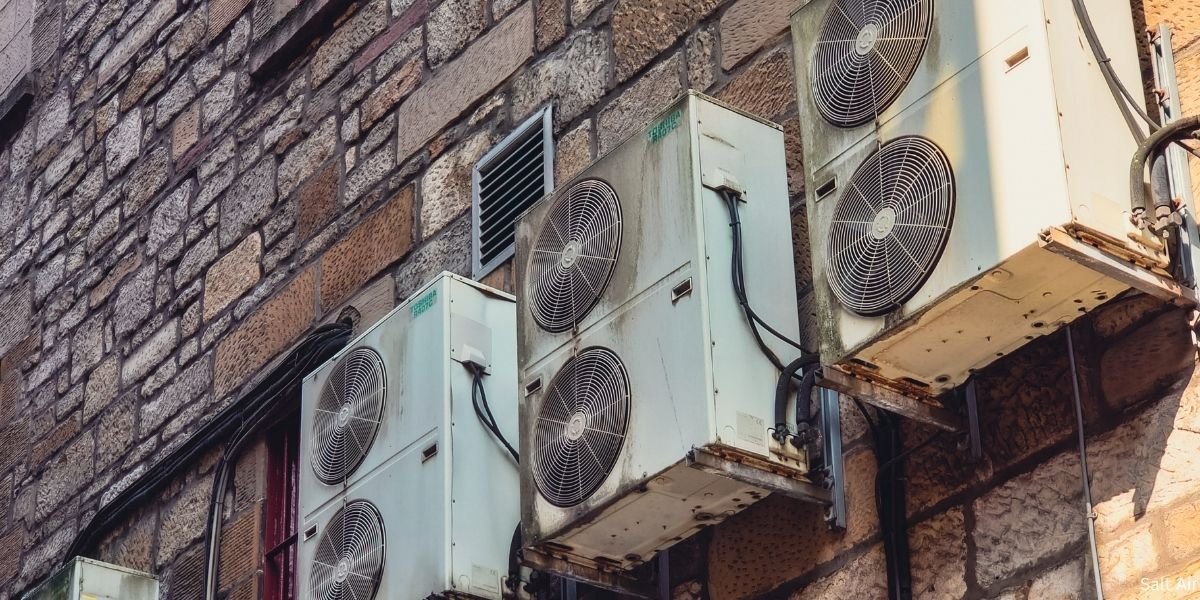
Condenser coils are among the most vulnerable parts of a coastal HVAC system. Salt buildup can damage protective coatings and reduce heat transfer efficiency. Fan blades, electrical connections, compressor components, and metal housing panels may also corrode faster than systems located inland. These problems can significantly shorten equipment lifespan if preventative care is ignored.
Reduced Energy Efficiency from Salt Corrosion
As corrosion develops, your air conditioning system must work harder to maintain desired indoor temperatures. Dirty or damaged condenser coils reduce airflow and cooling performance, forcing the system to consume more electricity. This strain not only increases monthly utility bills but also accelerates wear on major HVAC components, including compressors and fan motors.
Many homeowners needing AC repair in Santa Rosa Beach, FL, notice rising energy costs before realizing salt air damage is affecting their system. Declining efficiency often appears gradually through weaker airflow, longer cooling cycles, or uneven indoor temperatures. Early inspections and routine cleaning can help reduce unnecessary strain while improving long-term energy savings.
Warning Signs of Salt Air Damage
Coastal HVAC damage often begins slowly, making early detection important for preventing larger repair costs. Homeowners should routinely inspect outdoor units for visible signs of corrosion or performance decline.
Common Signs of Salt-Related HVAC Problems:
- Rust forming on metal surfaces
- Reduced cooling performance
- Higher electricity bills
- Weak airflow from vents
- Strange noises during operation
- Corroded condenser coils
- Frequent system cycling
Addressing these warning signs quickly can prevent complete system failure and costly emergency repairs.
How Humidity Increases HVAC Wear
Salt air alone is damaging, but coastal humidity makes the problem even worse. Moisture helps salt particles cling to outdoor equipment longer, increasing corrosion risk. Humid conditions also place a greater demand on air conditioning systems because AC units must remove excess indoor moisture while cooling the air.
Effects of High Coastal Humidity
Increased humidity can strain compressors, reduce airflow efficiency, and encourage mold growth around HVAC systems. Excess moisture may also affect indoor air quality if ventilation and filtration are not properly maintained. Coastal homeowners benefit from HVAC systems specifically designed to handle humid environments.
Preventative Maintenance Helps Protect Coastal AC Systems
Routine maintenance is essential for extending the lifespan of outdoor air conditioning units near the coast. Preventative HVAC service helps remove salt buildup, identify corrosion early, and maintain proper system performance throughout the year.
Important Coastal HVAC Maintenance Tasks:
- Rinse outdoor units regularly
- Clean condenser coils
- Inspect electrical components
- Replace air filters frequently
- Check refrigerant levels
- Schedule seasonal HVAC inspections
Consistent maintenance improves efficiency while reducing long-term repair expenses.
Protective Solutions for Coastal Air Conditioners
Several preventative strategies can help homeowners reduce the effects of salt air exposure on outdoor HVAC equipment. Professional guidance can help determine the best protective solutions for your property and climate conditions.
Helpful Ways to Protect Outdoor Units
Protective coil coatings can reduce corrosion by creating a barrier against salt and moisture. Elevated installation platforms may improve drainage and airflow, while strategic landscaping can help block direct ocean winds without restricting ventilation. Routine freshwater rinsing also helps remove salt buildup before corrosion develops.
Benefits of Protective HVAC Measures:
- Longer equipment lifespan
- Lower repair costs
- Improved cooling efficiency
- Better indoor comfort
- Reduced energy consumption
- Fewer emergency breakdowns
These preventative measures help homeowners protect valuable HVAC investments.
Choosing the Right HVAC Equipment for Coastal Areas
Not all air conditioning systems perform equally in coastal climates. Some units are specifically designed with corrosion-resistant materials and protective coatings for better durability in saltwater environments.
Features to Look for in Coastal HVAC Systems
Homeowners should consider units with coated condenser coils, stainless steel hardware, weather-resistant cabinets, and strong manufacturer warranties. Energy-efficient systems with advanced humidity control can also improve comfort while reducing operating costs in humid coastal regions.
Why Professional HVAC Inspections Matter
Professional HVAC technicians understand how coastal environments affect outdoor systems and can identify issues homeowners may overlook. Routine inspections help detect early corrosion, airflow restrictions, refrigerant problems, and electrical concerns before severe damage occurs.
Experienced professionals can also recommend maintenance schedules, protective coatings, and efficiency upgrades based on local environmental conditions. This guidance supports better performance and fewer unexpected repairs throughout the year.
Conclusion
Salt air exposure can significantly impact outdoor air conditioning units by accelerating corrosion, reducing energy efficiency, and increasing repair needs. Coastal humidity and constant salt exposure place extra stress on HVAC systems, making preventative maintenance essential for long-term performance. By recognizing warning signs early, scheduling regular inspections, and investing in protective solutions, homeowners can extend equipment lifespan and maintain dependable indoor comfort. Proper care and professional HVAC support help coastal air conditioning systems operate more efficiently while reducing expensive breakdown risks over time.