

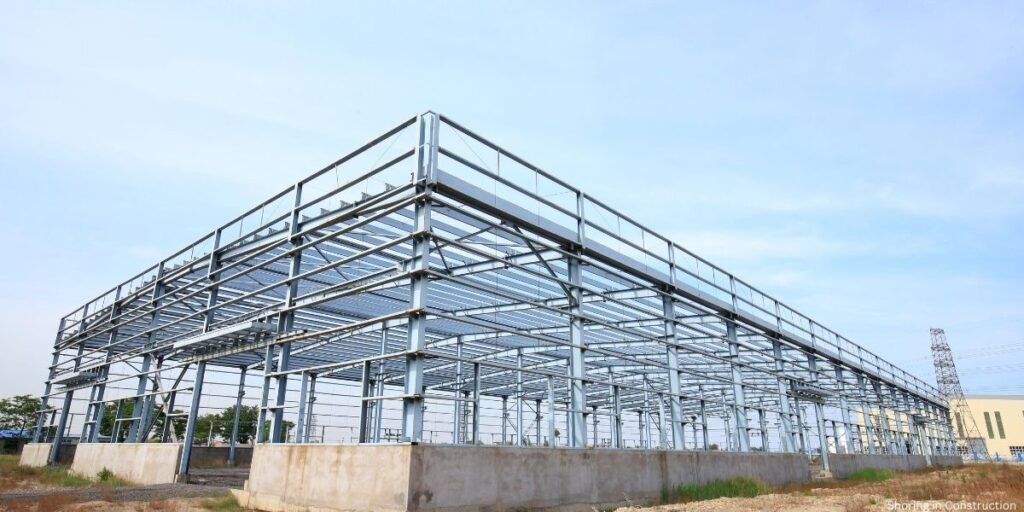

Shoring in construction is one of the most critical safety and structural support techniques used in modern building projects. From small residential renovations to massive commercial developments, shoring in construction plays a vital role in preventing collapse, protecting workers, and maintaining structural stability. Whenever a building element becomes weak, unstable, or unable to support its own load during construction or repair, shoring in construction is applied as a temporary support system. Due to rapid urbanization and deeper excavation practices, the demand for proper shoring in construction has increased significantly across the global construction industry.
In today’s engineering-driven environment, shoring in construction is no longer optional; it is a mandatory safety requirement. Civil engineers, site supervisors, and contractors rely on shoring in construction to stabilize walls, slabs, foundations, and excavations. This guide explains shoring in construction in deep detail, covering its importance, types, real-world examples, advantages and disadvantages, and best practices, while maintaining a strong focus on SEO and practical understanding.
What Is Shoring in Construction?
Shoring in construction refers to a temporary support system used to hold a structure, soil mass, or building component in place when it becomes unstable or when its original load-bearing capacity is reduced. The primary purpose of shoring in construction is to prevent collapse during construction, repair, alteration, or excavation work. In simple terms, shoring in construction acts as a temporary backbone that supports a structure until it becomes stable again.
Technically, shoring in construction involves the use of materials such as timber, steel, or hydraulic systems to transfer loads safely to the ground. These systems are carefully designed based on load calculations, soil conditions, and project duration. Shoring in construction is commonly used in excavation sites, damaged buildings, slab construction, and foundation repair work. Without proper shoring in construction, even a small structural weakness can lead to severe accidents, financial losses, and legal consequences.
Importance of Shoring in Construction
The importance of shoring in construction cannot be overstated. One of the main reasons shoring in construction is essential is structural safety. When walls, slabs, or foundations are weakened due to excavation or modification, shoring in construction ensures that loads are safely supported and redistributed. This prevents sudden structural failure and protects both property and human life.
Another key importance of shoring in construction is worker safety. Construction sites are inherently dangerous, and unstable structures increase the risk of fatal accidents. By using proper shoring in construction, contractors create a safer working environment that complies with safety regulations and international standards. Additionally, shoring in construction helps maintain project continuity by preventing unexpected collapses that could delay work and increase costs.
From a legal and professional perspective, the importance of shoring in construction is also linked to compliance. Many construction laws and building codes require shoring in construction for excavation and structural alteration projects. Ignoring these requirements can result in heavy penalties, project shutdowns, and reputational damage.
Types of Shoring in Construction
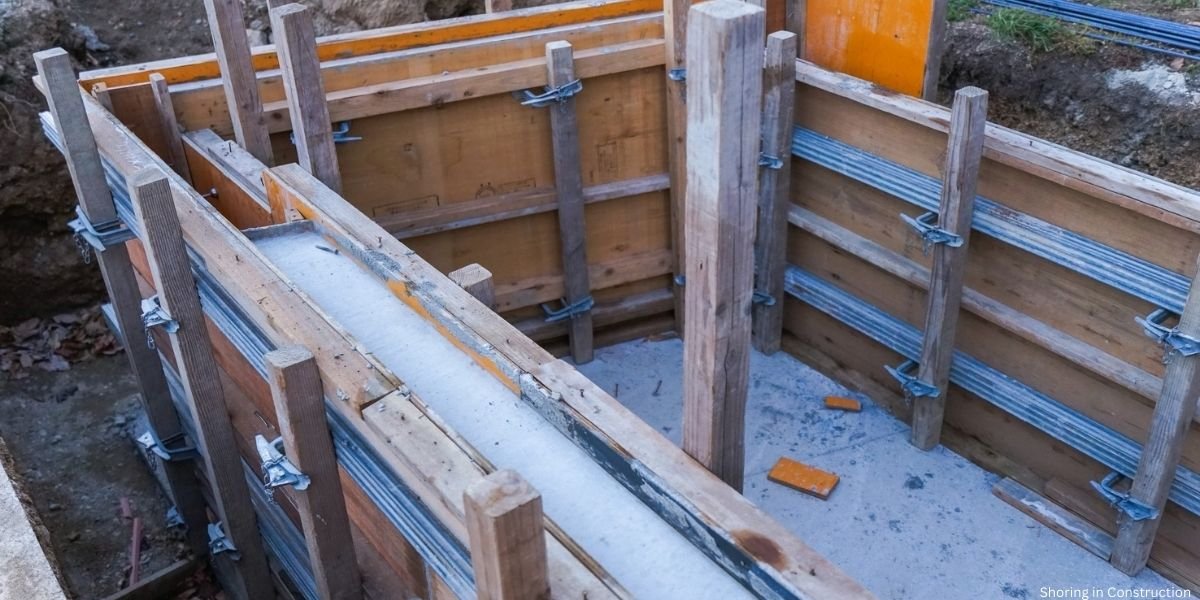
There are several types of shoring in construction, each designed for specific structural and site conditions. Understanding the types of shoring in construction is essential for selecting the correct system for a project. The most common types of shoring in construction include timber shoring, steel shoring, and hydraulic shoring.
Timber shoring is one of the oldest types of shoring in construction. It is widely used in small-scale projects due to its low cost and easy availability. However, timber shoring requires skilled installation and regular inspection. Steel shoring, on the other hand, is a modern and durable option that offers high strength and reusability. Hydraulic shoring is an advanced type of shoring in construction that uses hydraulic pistons to apply controlled pressure, making it ideal for trench and excavation work.
Each of these types of shoring in construction has its own advantages and limitations. The choice depends on factors such as load requirements, soil condition, project duration, and budget.
The 3 Types of Shoring Explained
Traditionally, shoring in construction is categorized into three main systems: raking shoring, flying shoring, and dead shoring. These are commonly referred to as the 3 types of shoring.
Raking shoring is used when a wall shows signs of instability or bulging. In this type of shoring in construction, inclined supports are placed against the wall to transfer the load safely to the ground. Flying shoring is used when two parallel walls need support, and the ground between them must remain clear. Dead shoring is applied when vertical support is required, such as during foundation replacement or wall removal.
Understanding these 3 types of shoring is essential for engineers and students because each system serves a distinct structural purpose. Proper selection of shoring in construction ensures maximum safety and efficiency.
Shoring in Excavation Work
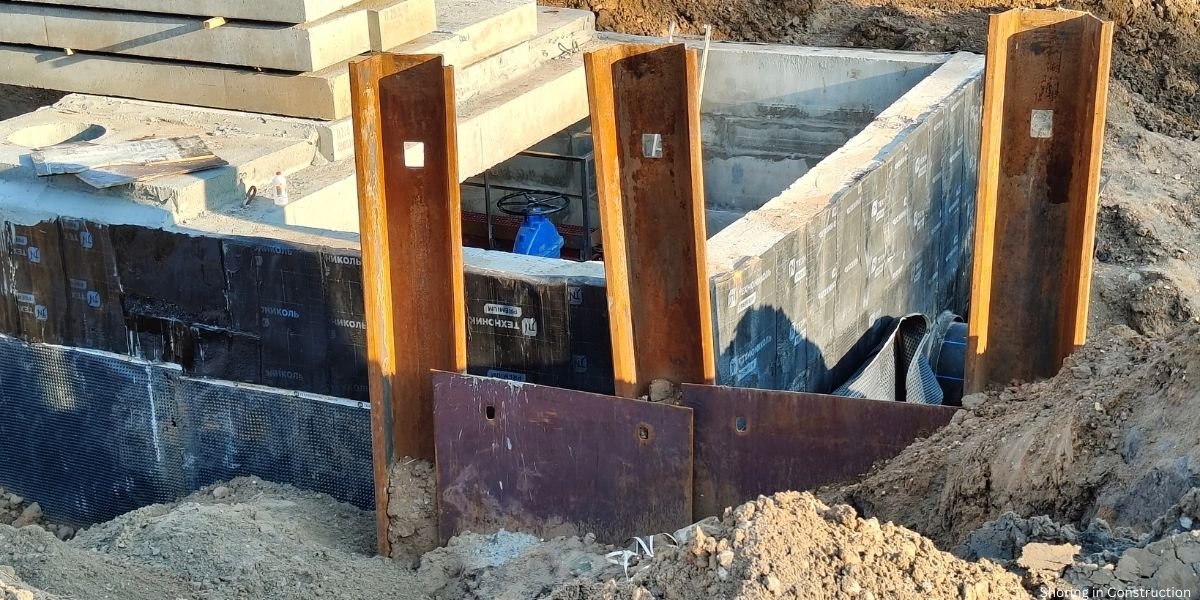
Shoring in excavation is one of the most critical applications of shoring in construction. Excavation work disturbs soil stability, increasing the risk of trench collapse. Shoring in excavation provides temporary lateral support to soil walls, preventing movement and collapse.
Common systems used for shoring in excavation include trench boxes, sheet piling, and soldier piles. These systems are designed to withstand soil pressure and protect workers operating inside trenches. Shoring in construction for excavation is especially important in deep trenches and urban areas where nearby structures may be affected.
Without proper shoring in excavation, even stable-looking soil can fail unexpectedly. This makes shoring in construction a non-negotiable requirement for safe excavation practices.
Shoring in Construction Slab Systems
Shoring in construction slab work is used to support fresh concrete and formwork until the slab gains sufficient strength. During slab construction, shoring in construction transfers the load of wet concrete, workers, and equipment safely to the ground.
Back shoring and re-shoring are common techniques associated with shoring in construction slab systems. Back shoring supports slabs below, while re-shoring redistributes loads as upper slabs are cast. Proper shoring in construction slab systems prevents cracking, deflection, and long-term structural damage.
Shoring in Construction Examples
A common shoring in construction example is supporting a damaged building wall during renovation. In such cases, raking shoring is installed to stabilize the wall until repairs are completed. Another shoring in construction example involves deep basement excavation, where steel or hydraulic shoring is used to prevent soil collapse.
In slab construction, shoring in construction examples include high-rise buildings where multiple floors are supported simultaneously. These real-world shoring in construction examples highlight how essential proper shoring systems are for safe and successful projects.
Advantages and Disadvantages of Shoring in Construction
One of the major advantages of shoring in construction is enhanced safety. Shoring in construction protects workers, structures, and nearby properties. It also allows complex construction activities to be carried out efficiently. Another advantage is flexibility, as shoring in construction systems can be adapted to various site conditions.
However, there are also disadvantages of shoring in construction. These include high initial costs, the need for skilled labor, and additional planning time. Despite these disadvantages, the benefits of shoring in construction far outweigh the risks of structural failure.
Materials Used in Shoring Systems
Materials commonly used in shoring in construction include timber, steel, and aluminum. Timber is economical but less durable, while steel provides high strength and reusability. Hydraulic systems use steel components combined with fluid pressure to deliver precise control. Selecting the right material is a crucial part of effective shoring in construction.
Shoring in Construction PDF and Learning Resources
A shoring in construction PDF typically includes technical drawings, safety guidelines, load calculations, and installation procedures. These PDFs are valuable resources for students, engineers, and site supervisors who want a deeper understanding of shoring in construction.
Safety Standards and Best Practices
Following safety standards is essential when implementing shoring in construction. Regular inspections, proper load calculations, and adherence to engineering designs are best practices that ensure shoring in construction systems perform effectively throughout the project lifecycle.
FAQs on Shoring in Construction
Shoring in construction is primarily used to support unstable structures temporarily. The 3 types of shoring include raking, flying, and dead shoring. Shoring in excavation is necessary for trench safety, while shoring in construction slab systems support fresh concrete.
Conclusion
In conclusion, shoring in construction is a fundamental element of safe and efficient building practices. From excavation and slab construction to structural repair, shoring in construction ensures stability, safety, and compliance. If you are planning a construction project, consult a qualified engineer and implement proper shoring in construction systems to protect lives and investments.