

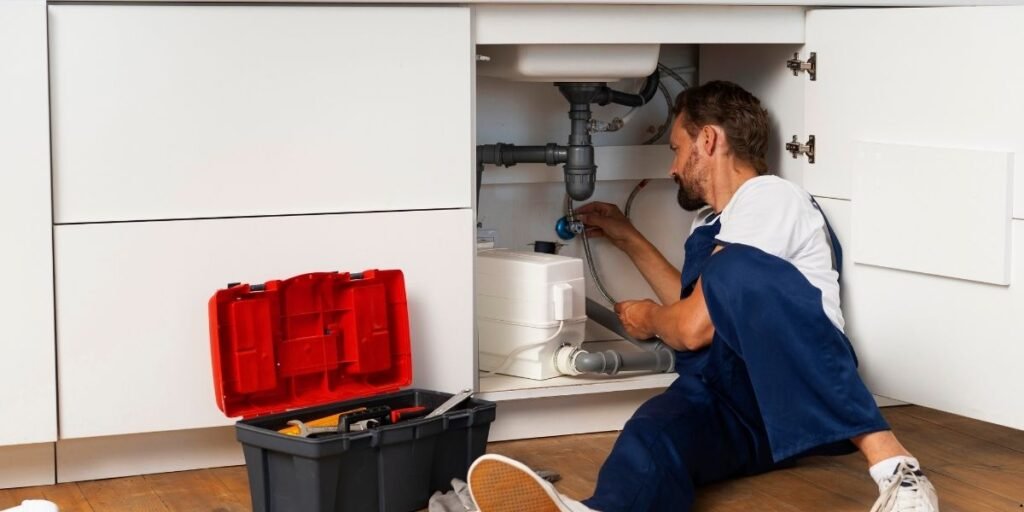

Winter does not arrive overnight. Temperatures gradually fall, daylight becomes shorter, and household systems begin to work harder. Preparing your home early ensures comfort, prevents costly repairs, and protects essential infrastructure. One of the most important steps homeowners can take is to perform seasonal plumbing maintenance, which helps prevent frozen pipes, water damage, and heating inefficiencies.
A proactive approach allows homeowners to address potential problems before freezing temperatures amplify them. From insulation improvements to heating system checks, several practical changes can protect your home during the coldest months.
This guide explores the most important home adjustments to make before winter arrives. Each section explains key steps, practical tips, and essential maintenance tasks to ensure your property stays warm, safe, and efficient throughout the season.
1. Preparing Your Plumbing System Before Temperatures Drop
Plumbing systems face serious risks during winter. When water inside pipes freezes, it expands and creates pressure that can cause pipes to burst. This is why seasonal plumbing maintenance is essential before the first frost.
Homeowners should start by inspecting all visible pipes in areas that tend to become cold, such as basements, crawl spaces, and garages. Pipes located along exterior walls are particularly vulnerable to freezing temperatures.
Taking preventive action now helps reduce the likelihood of costly emergency repairs during winter.
Important plumbing preparations include:
- Insulating exposed pipes with foam pipe insulation
- Sealing gaps around pipes that enter exterior walls
- Disconnecting outdoor hoses and draining outdoor taps
- Checking shut-off valves for proper operation
- Inspecting pipes for leaks or corrosion
Another important task is ensuring your water heater is operating efficiently. During the winter months, hot water demand increases significantly. Flushing sediment from the tank improves performance and reduces energy consumption.
Regular seasonal plumbing maintenance also includes checking sump pumps and drainage systems. These systems help prevent flooding caused by melting snow or winter storms.
By addressing plumbing concerns early, homeowners avoid sudden disruptions during the coldest months of the year.
2. Improving Home Insulation to Retain Warmth
Heat loss is one of the biggest challenges during winter. Poor insulation allows warm air to escape, forcing heating systems to work harder and increasing energy costs.
Improving insulation not only keeps homes comfortable but also reduces heating bills and prevents cold drafts.
Key areas to inspect for insulation improvements include:
- Attic insulation levels
- Wall insulation near exterior surfaces
- Basement and crawlspace insulation
- Window and door seals
- Garage ceilings and doors
Attics are responsible for a large percentage of heat loss in many homes. If insulation levels are insufficient, warm air rises and escapes through the roof.
Homeowners should also inspect windows and doors for air leaks. Even small gaps allow cold air to enter and warm air to escape. Weatherstripping and caulking can significantly improve energy efficiency.
Additional insulation upgrades may include installing thermal curtains or upgrading to double-glazed windows. These solutions help maintain indoor temperatures while reducing the workload on heating systems.
When insulation performs effectively, heating systems operate more efficiently and indoor comfort improves throughout winter.
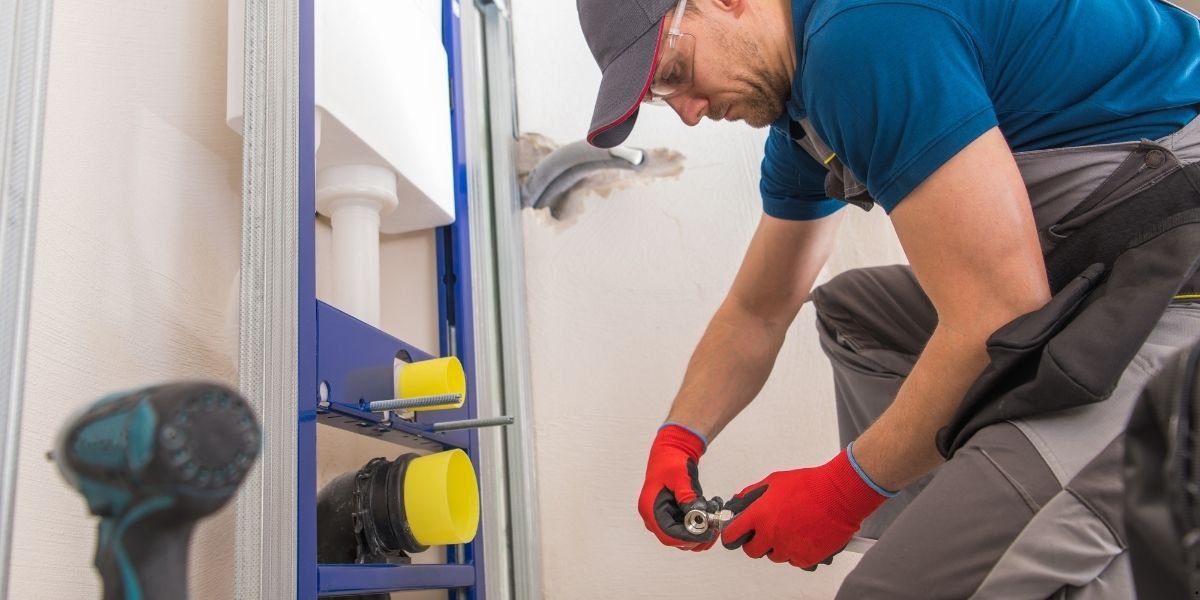
3. Servicing Your Heating System Before Heavy Use
Heating systems remain dormant during warmer months. Before winter arrives, these systems should be inspected to ensure they function reliably when temperatures drop.
Routine servicing helps prevent sudden breakdowns during peak winter demand.
Essential heating system checks include:
- Inspecting the furnace or boiler
- Replacing HVAC filters
- Testing thermostat accuracy
- Cleaning air vents and ducts
- Checking carbon monoxide detectors
Heating systems accumulate dust and debris when not in use. Cleaning and maintenance improve airflow and system efficiency.
A professional heating inspection can identify worn components, gas leaks, or airflow restrictions that could reduce performance.
Thermostat settings also play an important role in winter energy efficiency. Smart thermostats help regulate indoor temperatures automatically, reducing energy waste during times when heating demand is lower.
Proper heating system maintenance ensures consistent warmth and helps avoid emergency repairs when temperatures are at their lowest.
4. Protecting Outdoor Areas and Exterior Features
Outdoor areas also require preparation before winter conditions arrive. Cold temperatures, snow, and ice can damage exterior surfaces if they are not properly maintained.
Taking time to prepare outdoor areas protects landscaping, plumbing fixtures, and structural elements.
Important exterior preparations include:
- Clearing gutters and downspouts
- Storing outdoor furniture
- Inspecting roof shingles and flashing
- Sealing cracks in driveways or pathways
- Trimming tree branches near the roof
Clogged gutters are particularly problematic during winter. When gutters fill with debris, melting snow cannot drain properly. Water may freeze and form ice dams, which can damage roofing materials and cause leaks.
Exterior faucets should also be winterised to prevent freezing. This process often involves draining water lines and installing protective covers.
Outdoor preparation is closely linked to seasonal plumbing maintenance, since many plumbing problems originate from exterior pipes and fixtures.
By securing outdoor features early, homeowners reduce the risk of weather-related damage.
5. Improving Indoor Air Quality During Winter Months
During winter, homes remain closed for long periods, which can reduce ventilation and increase indoor pollutants. Improving indoor air quality ensures a healthier living environment throughout the colder season.
Several simple adjustments help maintain clean and breathable air indoors.
Effective indoor air improvements include:
- Replacing HVAC air filters regularly
- Using humidifiers to balance moisture levels
- Cleaning air vents and ducts
- Monitoring indoor humidity levels
- Ventilating kitchens and bathrooms properly
Low humidity levels are common during winter because heating systems dry the air. This can cause dry skin, respiratory irritation, and static electricity.
Using humidifiers helps maintain balanced moisture levels and improves comfort. At the same time, proper ventilation prevents the buildup of indoor pollutants.
Indoor air quality improvements complement seasonal plumbing maintenance, as both contribute to a healthier, safer home environment during winter.
Maintaining fresh indoor air also supports respiratory health and improves overall comfort.
Conclusion:
Winter preparation is one of the most important responsibilities for homeowners. Cold temperatures place additional stress on plumbing systems, heating equipment, and building structures. Taking preventative steps now helps avoid expensive repairs and ensures a comfortable indoor environment.
Routine seasonal plumbing maintenance remains one of the most effective ways to protect your home during winter. Inspecting pipes, insulating vulnerable areas, and maintaining drainage systems reduce the risk of frozen pipes and water damage.
At the same time, improving insulation, servicing heating systems, and preparing outdoor areas all contribute to better home performance throughout the cold season.