

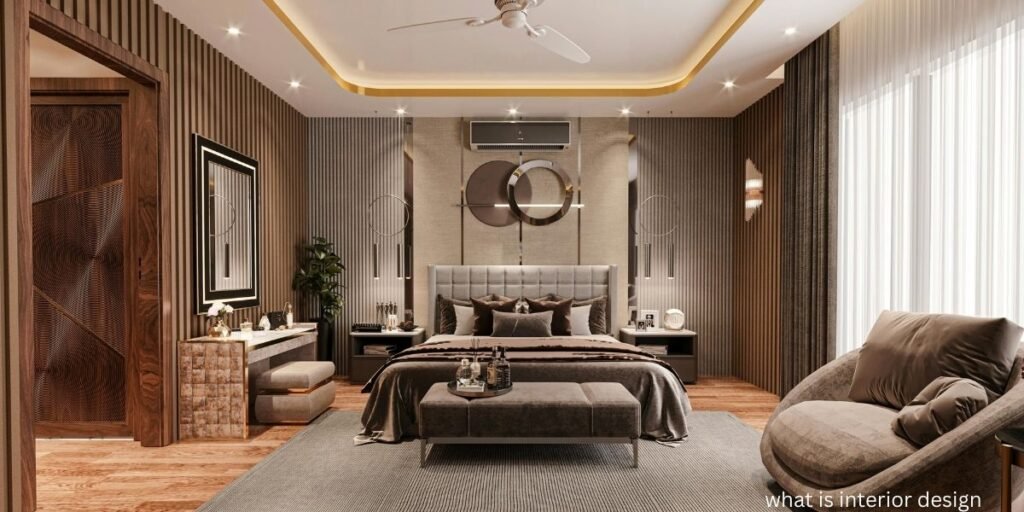

Interior design is a professional field that shapes the way people live, work, and interact within indoor spaces. When people ask what is interior design, they are often trying to understand whether it is just decoration or a serious profession. In reality, interior design is much more than visual beauty. It is a strategic combination of creativity, technical knowledge, psychology, architecture, and functionality.
In today’s modern lifestyle, people spend nearly 90% of their time indoors—in homes, offices, hospitals, hotels, and shopping centers. Because of this, interior design directly impacts comfort, productivity, health, and emotional well-being. A well-designed interior does not only look attractive but also improves how a space feels and functions.
This in-depth guide explains what is interior design in a simple yet professional way. It covers salary, courses, jobs, architectural connections, and real-world applications, making it ideal for students, beginners, homeowners, and career-focused readers.
What Is Interior Design?
What is interior design? Interior design is the art and science of planning, designing, and enhancing interior spaces to make them functional, safe, comfortable, and visually appealing. It focuses on understanding human behavior and designing spaces that support daily activities while maintaining aesthetic harmony.
Interior design involves detailed planning of space layout, furniture placement, lighting, colors, materials, textures, and environmental comfort. Unlike simple decoration, interior design requires technical expertise, knowledge of building regulations, and coordination with architects and engineers.
In practical terms, interior design transforms empty or poorly planned spaces into environments that support better living, working, and social interaction. This is why interior design plays a critical role in both residential and commercial buildings.
What Is the Purpose of Interior Design?
Understanding what is the purpose of interior design helps explain why it is essential in modern construction and lifestyle planning. The primary purpose of interior design is to improve the quality of life by enhancing how interior spaces function and feel.
Interior design serves multiple purposes at the same time. It ensures that a space is practical and easy to use, visually balanced, emotionally comforting, and aligned with the needs of the people using it. A thoughtfully designed interior can reduce stress, increase productivity, and create a sense of belonging.
For example, well-designed office interiors can improve employee efficiency and focus, while residential interior design creates a relaxing and comfortable home environment. In healthcare settings, interior design can even support healing and patient recovery.
What Is Interior Design in Architecture?
Many people wonder what is interior design in architecture and how the two fields are connected. Interior design in architecture refers to the planning and design of interior spaces as an integral part of the building’s overall architectural concept.
While architecture focuses on the structure, form, and exterior of a building, interior design focuses on the interior environment where people actually live and work. Interior designers collaborate closely with architects to ensure that interior layouts, lighting systems, materials, and finishes complement the architectural design.
Without interior design, architectural structures would feel incomplete. Interior design brings life, usability, and emotional connection to architectural spaces.
Core Elements and Principles of Interior Design
To fully understand what is interior design, it is important to learn its foundational elements and principles.
Interior design elements include space, line, form, color, texture, and light. These elements work together to create a balanced and functional environment. Principles such as balance, harmony, rhythm, proportion, emphasis, and unity guide designers in arranging these elements effectively.
When applied correctly, these principles ensure that an interior feels natural, comfortable, and visually pleasing rather than chaotic or overwhelming.
Types of Interior Design
Interior design covers a wide range of specializations. Residential interior design focuses on homes, apartments, and villas, ensuring comfort and personalization. Commercial interior design involves offices, retail stores, restaurants, and malls, where functionality and branding are key priorities.
Hospitality interior design is used in hotels and resorts to create luxury experiences, while healthcare interior design prioritizes safety and emotional comfort. Sustainable interior design emphasizes eco-friendly materials and energy efficiency, which is increasingly important in modern construction.
What Is Interior Designing Course?
What is interior designing course? An interior designing course is a professional educational program that teaches students design theory, technical skills, and practical application of interior design concepts.
Courses are available at certificate, diploma, bachelor’s, and master’s levels. Students learn space planning, color theory, furniture design, lighting systems, materials, and industry-standard software such as AutoCAD and SketchUp.
Completing an interior designing course helps students build a strong foundation and prepares them for professional interior design jobs.
What Is Interior Design in High School?
What is interior design in high school? At the high school level, interior design is usually introduced through art, design, or vocational subjects. These programs help students develop creativity, spatial awareness, and basic design thinking.
Early exposure to interior design allows students to explore career possibilities and decide whether they want to pursue professional education in interior design or architecture.
What Is Interior Design Jobs?
What is interior design jobs? Interior design offers a wide range of career opportunities beyond traditional designing roles. Interior designers can work as space planners, lighting consultants, furniture designers, project managers, or freelance design consultants.
With experience, designers can start their own studios or specialize in niche markets such as luxury interiors, commercial spaces, or sustainable design.
What Is Interior Design Salary?
What is interior design salary? Interior design salaries depend on experience, location, skills, and project type. Entry-level designers earn modest salaries, while experienced designers and consultants earn significantly higher incomes.
Professional interior designers working on high-end residential or commercial projects often earn premium fees due to their expertise and portfolio strength.
What Is Interior Design Salary Per Month?
People often ask what is interior design salary per month to understand income stability. Monthly earnings vary by country and experience level.
On average, beginner interior designers earn a steady monthly income, while senior designers and freelancers can earn much higher amounts depending on project scale and client base.
Skills Required for Interior Designers
Successful interior designers need a combination of creative and technical skills. Creativity, communication, problem-solving, time management, and client-handling abilities are essential. Technical skills such as drawing, software usage, and material knowledge are equally important.
Interior Design Tools, Software & Technology
Modern interior design relies heavily on digital tools. Designers use AutoCAD, SketchUp, 3Ds Max, Revit, and Photoshop to create accurate drawings and realistic visualizations. Emerging technologies like virtual reality and AI are further transforming the interior design industry.
Interior Design Process Step-by-Step
The interior design process begins with client consultation and space analysis. Designers then develop concepts, create drawings, select materials, manage execution, and finalize styling. This structured approach ensures successful project outcomes.
Real-Life Interior Design Examples
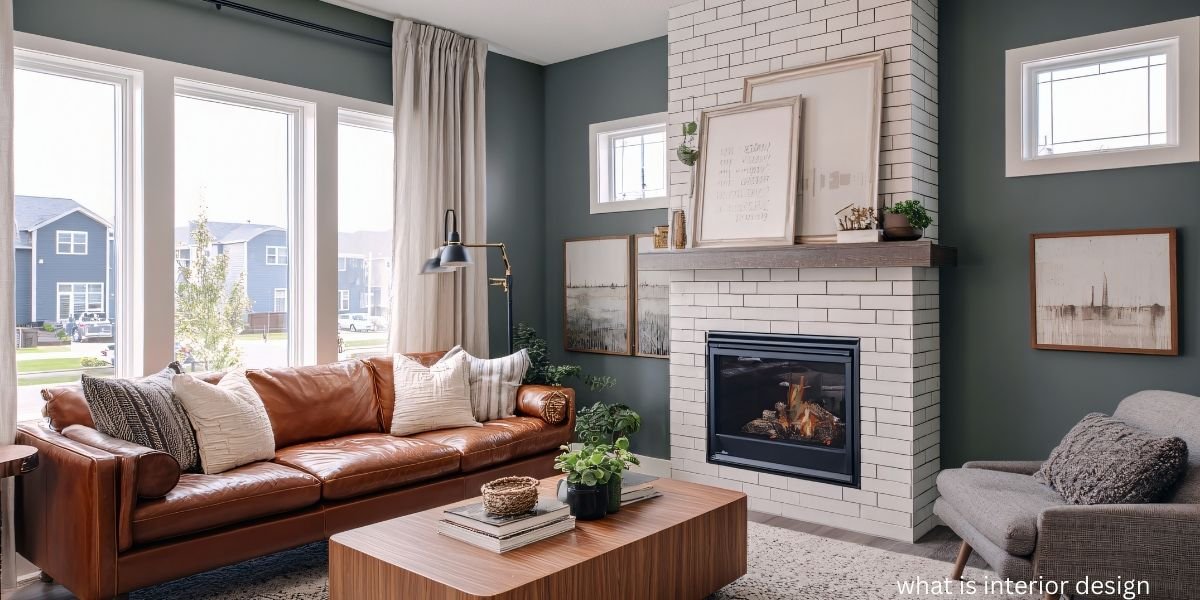
Examples of interior design include smart homes with automated lighting, minimalist apartments focused on simplicity, and biophilic offices that incorporate natural elements. These examples demonstrate how interior design improves daily living.
Challenges in Interior Design & Practical Solutions
Interior designers often face challenges such as budget limitations, time constraints, and changing client expectations. Clear communication, planning, and flexibility help overcome these challenges effectively.
Future Scope of Interior Design
The future of interior design is promising due to increasing urbanization, real estate development, and demand for sustainable living. Smart technology, eco-friendly materials, and AI-driven design solutions will shape the next generation of interior spaces.
Practical Tips for Students & Beginners
Students should focus on learning design fundamentals, mastering software tools, building a strong portfolio, and gaining real-world experience through internships and projects.
Frequently Asked Questions (FAQs)
What is interior design in simple words?
Interior design is the process of making indoor spaces functional, comfortable, and visually attractive.
What is interior design salary per month for beginners?
Beginners usually earn a moderate monthly salary that increases with experience.
What is interior designing course duration?
Courses range from short certificates to four-year degree programs.
Final Thoughts & Call to Action
Now that you clearly understand what is interior design, its purpose, salary, courses, and career opportunities, you can confidently decide your next step. Interior design is not just a creative field—it is a profession that shapes lifestyles and environments.
If you are a student, start learning interior design today. If you are a homeowner or business owner, investing in professional interior design can transform your space and improve your quality of life.
Take the first step toward better spaces—learn, design, and create with purpose.