
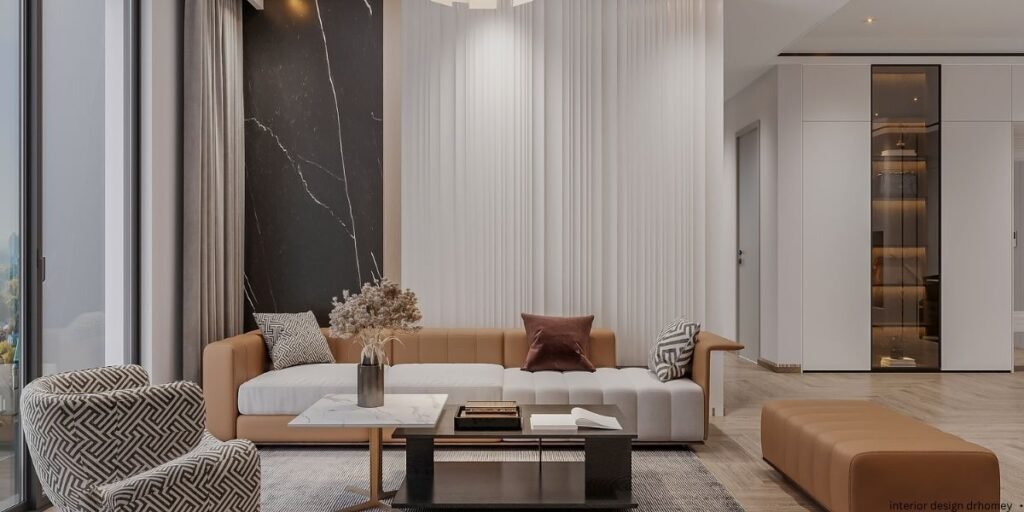

Interior design DrHomey is a practical, budget-friendly method of transforming your home using simple yet powerful design strategies. Instead of relying on expensive renovations or hiring high-cost professionals, this approach focuses on DIY improvements, smart planning, and psychological comfort.
The concept revolves around one core belief:
👉 Small, intentional changes can create massive visual and emotional impact.
Whether you live in a compact apartment, a suburban home, or manage a commercial property, DrHomey interior design helps you create a space that is functional, aesthetic, and stress-free.
What Makes DrHomey Interior Design Unique?
Unlike traditional interior design that often focuses on luxury and trends, DrHomey emphasizes:
- Affordability – You don’t need thousands of dollars
- Functionality – Every item serves a purpose
- Simplicity – Minimal clutter, maximum impact
- Personalization – Your space reflects your lifestyle
It combines elements of:
- Minimalism
- Biophilic design (nature-inspired interiors)
- Space optimization
- Lighting science
This makes it ideal for both homeowners and businesses across the USA.
Why Interior Design DrHomey Matters Today
Modern homes often face challenges like:
- Clutter overload
- Poor lighting
- Unused spaces
- Design confusion
These issues lead to mental fatigue and reduced productivity.
Key Benefits of DrHomey Design
- ✔ Improves mood and well-being
- ✔ Enhances productivity at home or office
- ✔ Saves money on unnecessary purchases
- ✔ Increases property appeal (important for real estate)
- ✔ Works for small and large spaces
👉 A well-designed space doesn’t just look good—it feels right.
Core Principles of Interior Design DrHomey
1. The 60-30-10 Color Rule
This is a fundamental design formula:
- 60% → Dominant color (walls, large furniture)
- 30% → Secondary color (curtains, chairs)
- 10% → Accent color (decor items)
This balance prevents visual chaos and creates harmony.
2. Lighting Optimization (Game-Changer)
Lighting is one of the most powerful yet ignored elements.
Types of Lighting:
- Ambient lighting (general light)
- Task lighting (focused areas)
- Accent lighting (decorative)
💡 Pro Tip:
Paint colors look different depending on light direction. North-facing rooms appear cooler, while south-facing rooms appear warmer.
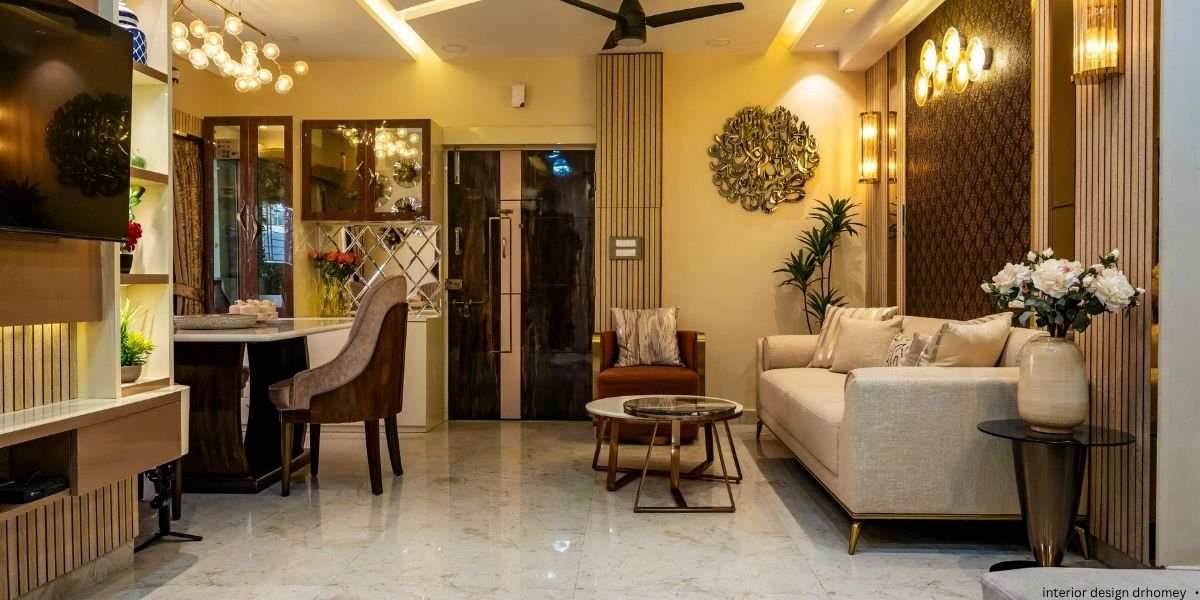
3. Space Planning & Furniture Layout
Good design starts with how space is used.
- Avoid overcrowding
- Use multi-functional furniture
- Maintain clear pathways
Popular solutions:
- Sofa beds
- Foldable tables
- Storage benches
4. Decluttering Systems
Clutter is the biggest enemy of good design.
The 15-Minute Method:
- Pick one small area
- Set a timer
- Clean only that space
This method reduces overwhelm and builds consistency.
5. Biophilic Design (Nature Integration)
Adding natural elements creates calmness:
- Indoor plants
- Wooden textures
- Natural light
This improves both aesthetics and air quality.
Step-by-Step Interior Design DrHomey Framework
Step 1: Analyze Your Space
Identify:
- Clutter zones
- Lighting issues
- Unused areas
Step 2: Prioritize Key Areas
Focus on:
- Living room
- Bedroom
- Entryway
These have the highest impact on daily life.
Step 3: Apply Quick Changes
- Rearrange furniture
- Remove unnecessary items
- Improve lighting
Step 4: Add Design Elements
- Rugs and textures
- Wall art
- Accent colors
Step 5: Maintain the System
- Weekly cleaning
- Seasonal updates
- Regular adjustments
Room-by-Room DrHomey Design Guide
Living Room
- Use neutral base colors
- Add layered lighting
- Use rugs to define zones
Bedroom
- Keep it minimal
- Use soft, warm lighting
- Avoid clutter
Kitchen
- Create “grab-and-go” zones
- Use transparent storage
- Organize cabinets
Bathroom
- Add mirrors for space illusion
- Use vertical storage
- Improve lighting
Budget-Friendly Interior Design Ideas (USA)
Interior design DrHomey is known for affordability.
Low-Cost Ideas:
- Rearrange existing furniture
- Add indoor plants
- Use peel-and-stick wallpaper
- Change lighting fixtures
Cost Comparison: DIY vs Professional Design
| Category | DIY (DrHomey) | Professional Designer |
|---|---|---|
| Cost | $100–$1,000 | $2,000–$10,000+ |
| Control | High | Medium |
| Time | Medium | Low |
| Flexibility | High | Medium |
Decision Tip:
- Choose DIY for small upgrades
- Hire professionals for major renovations
Tools & Resources for Better Results
To improve your design process, use:
- Color selection tools (Sherwin-Williams, Behr)
- DIY supplies from Home Depot
- Space planning apps
- Smart home lighting systems
Common Mistakes to Avoid
❌ Ignoring lighting direction
❌ Overcrowding furniture
❌ Choosing paint from screens only
❌ Skipping prep work before painting
❌ Following trends without purpose
Smart Home Integration in DrHomey Design
Modern homes are becoming smarter.
You can enhance your design with:
- Voice-controlled lighting
- Smart thermostats
- Automated curtains
These features improve comfort, efficiency, and convenience.
How to Make Small Spaces Look Bigger
- Use mirrors strategically
- Choose light colors
- Reduce clutter
- Use vertical storage
Real-Life Example
A small apartment in Los Angeles had:
- Dark lighting
- Bulky furniture
- Cluttered layout
After applying DrHomey:
- Replaced furniture with multi-functional pieces
- Added mirrors and lighting
- Decluttered surfaces
👉 Result: A brighter, more spacious home without major renovation.
FAQs
1. What is interior design DrHomey?
It is a DIY-based approach that focuses on affordable, simple home improvements.
2. Is DrHomey suitable for beginners?
Yes, it is designed for anyone without prior design experience.
3. Can renters use DrHomey design?
Yes, it includes non-permanent solutions like peel-and-stick decor.
4. What is the cheapest way to redesign a room?
Declutter, rearrange furniture, and improve lighting.
5. Does lighting really affect interior design?
Yes, lighting changes how colors and spaces appear.
6. How long does it take to transform a room?
Small changes can be done in a few hours or days.
7. Is professional design better than DIY?
It depends on your budget and project size.
Conclusion
Interior design DrHomey offers a smart, affordable, and practical way to transform any space without stress or high costs.
By focusing on:
- Lighting
- Space planning
- Decluttering
- Simple design rules
you can create a home that is not only beautiful but also comfortable and functional.
Start with one small change today—because even the smallest improvement can completely transform your space.