

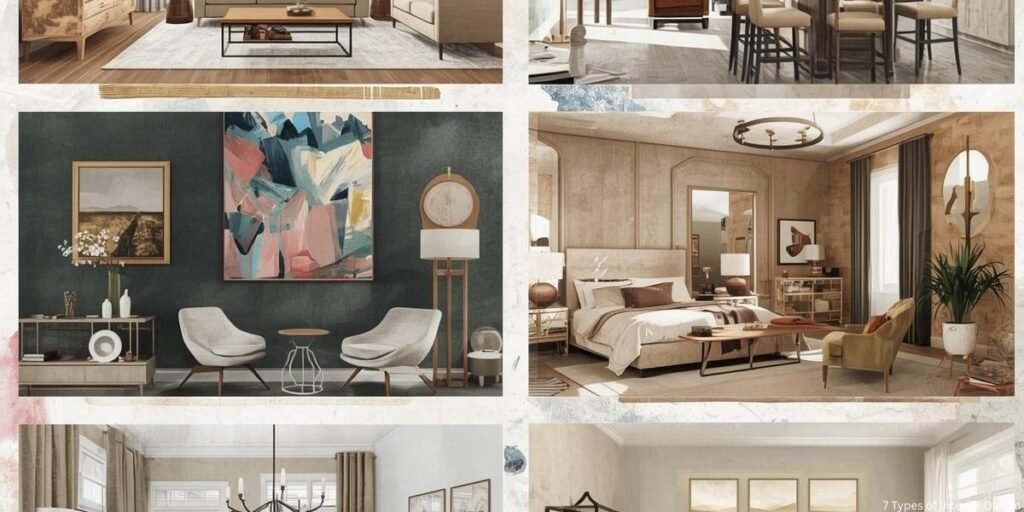

Interior design is the art of transforming a space to create a perfect balance between functionality and aesthetics. Whether you are decorating a small apartment, renovating a villa, or designing an office, understanding the 7 types of interior design is crucial. Each design type offers unique principles, materials, and styles that cater to different preferences, lifestyles, and budgets. In this guide, we will explore these 7 types of interior design with pictures, examples, materials, and actionable insights that will help you make informed decisions for your home or workspace.
Introduction to Interior Design
Interior design is more than just arranging furniture or choosing colors. It combines art, architecture, and psychology to create spaces that improve quality of life while reflecting personal style. The 7 types of interior design allow homeowners and designers to categorize styles and implement them consistently across rooms. Choosing the right design type not only enhances aesthetic appeal but also increases functionality and comfort. According to recent industry statistics, homes designed with a clear interior design style see up to a 20% increase in property value. Understanding these 7 types of interior design is therefore not just decorative—it is a smart investment.
Traditional Interior Design
Traditional interior design is the embodiment of classic European aesthetics. This style emphasizes elegance, symmetry, and rich textures. The hallmark of traditional design includes furniture with ornate carvings, luxurious fabrics like velvet or silk, and carefully chosen color palettes featuring deep reds, greens, and golds. Materials play a significant role in creating authenticity in traditional interiors. Wood, marble, and classic metals are often used to enhance the warmth and sophistication of the space. A living room styled traditionally typically features a symmetrical sofa arrangement, a grand chandelier, and antique-inspired décor. For homeowners who value timeless elegance, traditional interiors are the perfect choice among the 7 types of interior design.
Modern Interior Design
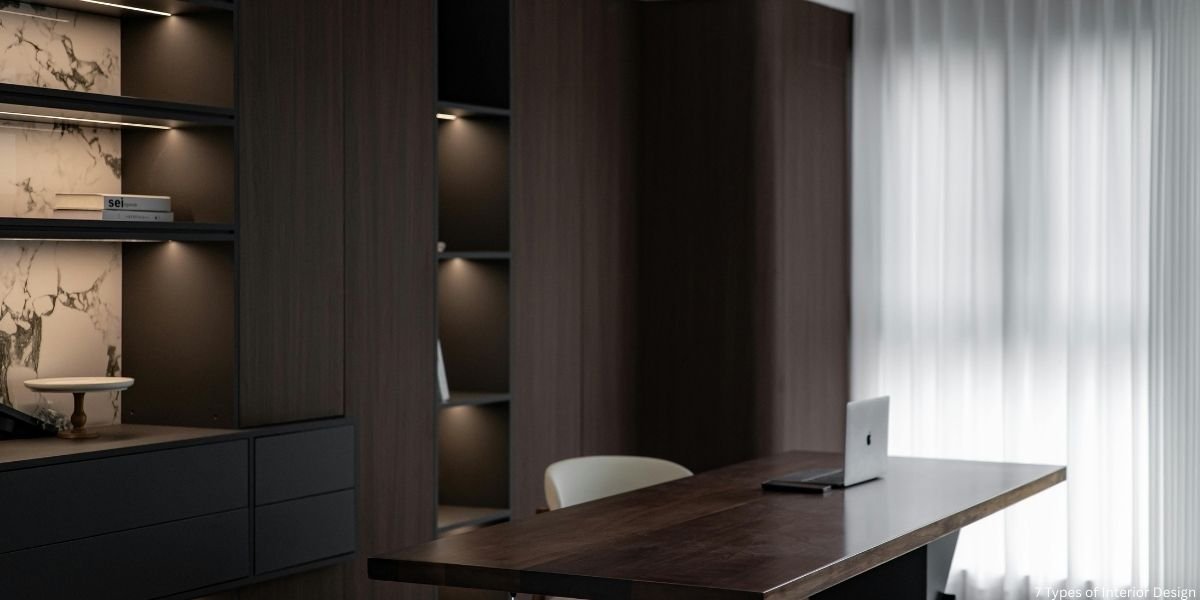
Modern interior design focuses on simplicity, functionality, and open spaces. Unlike traditional design, modern interiors prioritize clean lines, minimal ornamentation, and neutral color schemes, often accented by bold splashes of color. The materials in modern interiors are typically steel, glass, leather, and polished concrete, contributing to a sleek and sophisticated appearance. For instance, a modern living room may have a low-profile sofa, geometric coffee tables, and expansive windows that let in natural light. Among the 7 types of interior design, modern design is highly popular due to its minimalism and adaptability to urban spaces. It is ideal for those who prefer clutter-free, functional, and visually striking environments.
Contemporary Interior Design
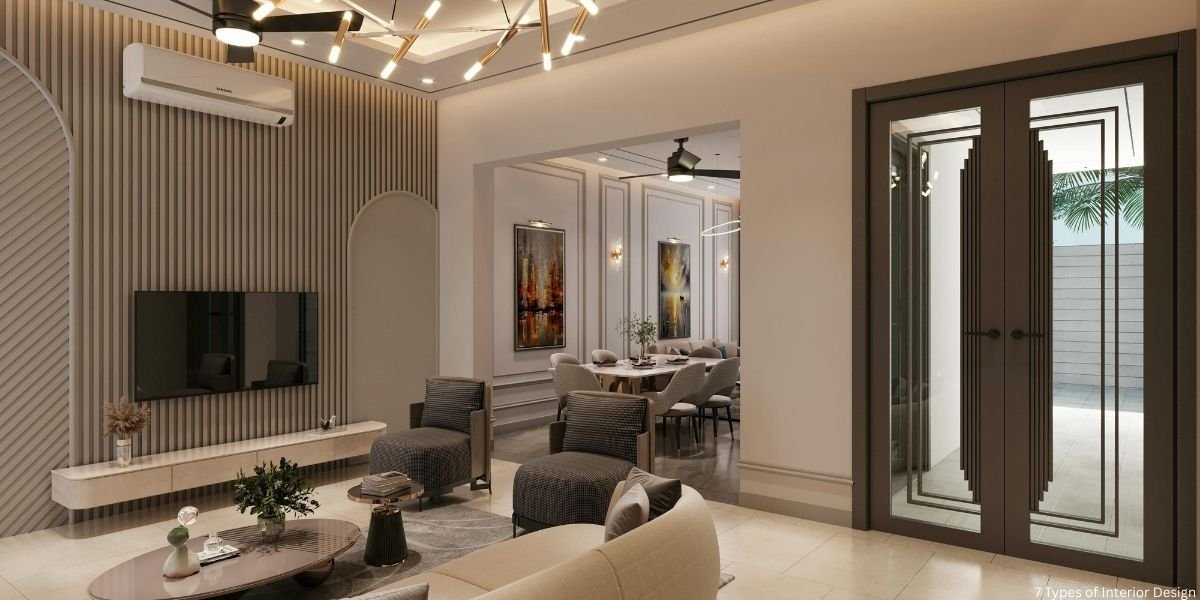
Contemporary interior design is fluid and ever-evolving. While it shares minimalistic principles with modern design, contemporary interiors reflect current trends, mixing bold colors, textures, and shapes. This style thrives on light-filled spaces, smooth curves, and asymmetry to create dynamic and vibrant environments. Materials commonly used in contemporary interiors include metal, glass, wood, and innovative synthetics that allow flexibility in design. For example, a contemporary office might feature modular furniture, accent walls with textured finishes, and modern lighting fixtures. Within the 7 types of interior design, contemporary interiors appeal to those who enjoy staying current with evolving trends while maintaining a functional living space.
Industrial Interior Design
Industrial interior design draws inspiration from factories, warehouses, and urban lofts. It is characterized by raw, unfinished surfaces, exposed beams, pipes, and ducts, which give the space a unique urban charm. The materials used include steel, concrete, reclaimed wood, and brick, which create a rugged yet stylish aesthetic. Industrial interiors often have high ceilings and open floor plans, emphasizing practicality and spaciousness. A perfect example is an industrial loft with brick walls, metal furniture, and large windows that flood the room with natural light. Among the 7 types of interior design, industrial style appeals to urban dwellers who value authenticity, functionality, and a modern edge.
Scandinavian Interior Design
Scandinavian interior design focuses on simplicity, functionality, and a bright, airy ambiance. It combines minimalism with warmth, creating spaces that feel both comfortable and uncluttered. Light wood, ceramics, and soft textiles are the primary materials in Scandinavian interiors. Typical color palettes include whites, grays, and pastels, creating a sense of spaciousness and tranquility. A Scandinavian living room often features natural light, minimalistic furniture, and cozy elements like rugs and throws. Among the 7 types of interior design, Scandinavian style is highly favored in northern climates and for urban apartments, as it enhances natural light and promotes an organized lifestyle.
Rustic Interior Design
Rustic interior design emphasizes natural materials, earthy tones, and a cozy, welcoming atmosphere. It often includes exposed wooden beams, stone walls, and handcrafted furniture that highlight the beauty of raw materials. Warm color schemes, natural fabrics, and soft lighting contribute to the comfort of rustic interiors. For example, a rustic farmhouse kitchen may include wooden cabinets, stone countertops, and vintage accessories, creating a homely yet elegant environment. Among the 7 types of interior design, rustic style is perfect for those who appreciate nature, craftsmanship, and timeless charm.
Minimalist Interior Design
Minimalist interior design is all about simplicity and functionality. It reduces spaces to their essential elements, focusing on clean lines, neutral colors, and uncluttered layouts. Materials commonly used include glass, metal, wood, and soft fabrics in neutral tones. A minimalist bedroom might have a low-profile bed, streamlined storage solutions, and ample open space. Among the 7 types of interior design, minimalism is ideal for modern urban homes, promoting mental clarity, productivity, and a serene living environment. Studies show that minimalist spaces improve focus and reduce stress, making them highly functional and appealing.
Principles of Interior Design
No matter which style you choose from the 7 types of interior design, applying fundamental principles ensures a cohesive, beautiful space. Balance, harmony, proportion, and focal points are crucial to creating rooms that are both functional and visually appealing. Proper lighting, thoughtful color schemes, and material consistency help bring these principles to life. Downloadable PDFs of interior design styles and principles of interior design can help beginners and professionals alike understand these concepts in depth.
How to Choose the Right Interior Design Style
Choosing the right interior design style from the 7 types of interior design requires careful consideration of your lifestyle, available space, budget, and personal preferences. Consider how each style complements your daily activities, how materials interact with your environment, and how furniture placement can optimize functionality. Combining styles is possible, but maintaining balance and cohesion is key. Consulting an interior designer can help integrate multiple design types seamlessly while achieving your desired aesthetic.
Actionable Tips for Interior Design Projects
When applying the 7 types of interior design to real projects, start by creating mood boards that visualize your preferred colors, materials, and furniture. Mix materials thoughtfully, prioritize lighting, and use functional furniture to maximize space in smaller homes. Consistency across rooms is essential, whether you adopt a single style or blend two complementary types. Use images, examples, and statistics from real projects to guide your choices and avoid common mistakes.
Conclusion
Understanding the 7 types of interior design is essential for creating beautiful, functional, and personalized spaces. From the timeless elegance of traditional interiors to the clean simplicity of minimalism, each design type offers unique opportunities for self-expression and lifestyle enhancement.