

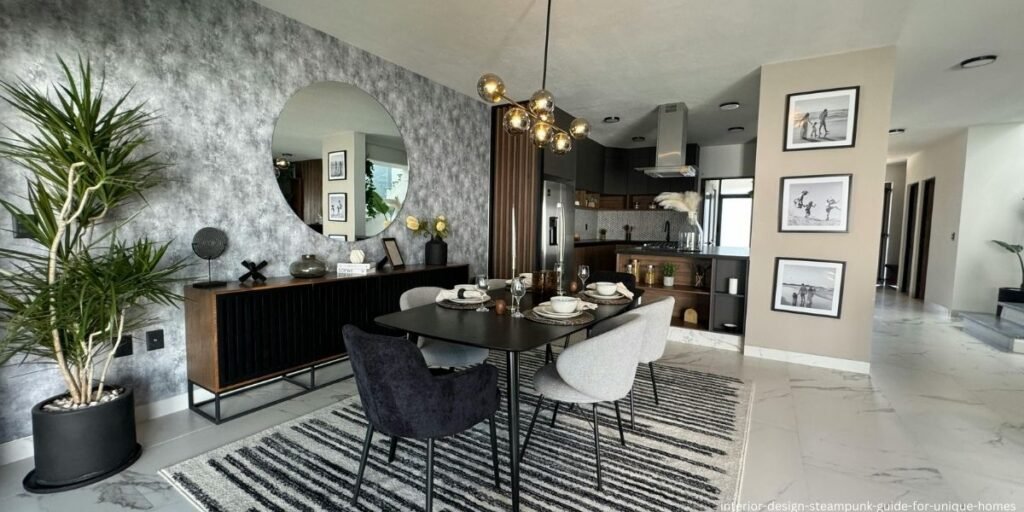

Interior design steampunk is not just a décor trend; it is a storytelling design philosophy that merges history, imagination, and industrial artistry. In a world dominated by sleek minimalism, interior design steampunk stands apart by celebrating mechanics, craftsmanship, and Victorian-era fantasy. This design style transforms homes into immersive environments where exposed gears, aged metals, and vintage machinery coexist with modern comfort.
Interior design steampunk appeals to homeowners who want more than aesthetics. It attracts creatives, gamers, designers, and collectors who appreciate function blended with imagination. Whether applied subtly or fully immersive, interior design steampunk offers limitless personalization while remaining deeply rooted in design principles.
What Is Steampunk Interior Design?
Steampunk interior design is a decorative style inspired by 19th-century industrial innovation, Victorian architecture, and speculative science fiction. It imagines a world where steam power, mechanical ingenuity, and handcrafted engineering dominate modern life. In interior design steampunk, décor elements feel both antique and futuristic at the same time.
Unlike conventional interior styles, interior design steampunk focuses on visible function. Pipes, gears, bolts, and metal structures are intentionally displayed rather than hidden. Furniture looks engineered rather than manufactured. Lighting mimics early industrial lamps, often using Edison bulbs and exposed filaments.
At its core, interior design steampunk is about romanticizing mechanics—turning industrial elements into art while preserving warmth and livability.
Origins & Evolution of Interior Design Steampunk
Interior design steampunk originates from the steampunk literary movement, which imagined alternative futures during the Victorian era. Writers like Jules Verne and H.G. Wells inspired the aesthetic by blending technology, fantasy, and history. Over time, this imaginative concept moved beyond literature into fashion, art, architecture, and finally interior design steampunk.
Initially, steampunk interiors were theatrical and dramatic. Today, modern interior design steampunk has evolved into a balanced hybrid style, integrating industrial design, rustic textures, and contemporary layouts. This evolution allows steampunk interiors to work in modern apartments, lofts, and even minimalist homes.
Steampunk Interior Design Characteristics
Understanding steampunk interior design characteristics is essential for creating an authentic space. Interior design steampunk is defined by several unmistakable features that create its signature look.
The first defining characteristic is exposed mechanics. Gears, valves, pressure gauges, and mechanical components are used decoratively on walls, furniture, and lighting fixtures. These elements symbolize innovation and craftsmanship.
The second characteristic is material authenticity. Interior design steampunk avoids synthetic finishes. Instead, it embraces brass, copper, iron, reclaimed wood, leather, and stone. These materials age beautifully, enhancing the vintage appeal.
Another major steampunk interior design characteristic is layered lighting. Warm, low-intensity lighting creates a moody atmosphere. Industrial pendants, pipe lamps, and vintage sconces are central to this aesthetic.
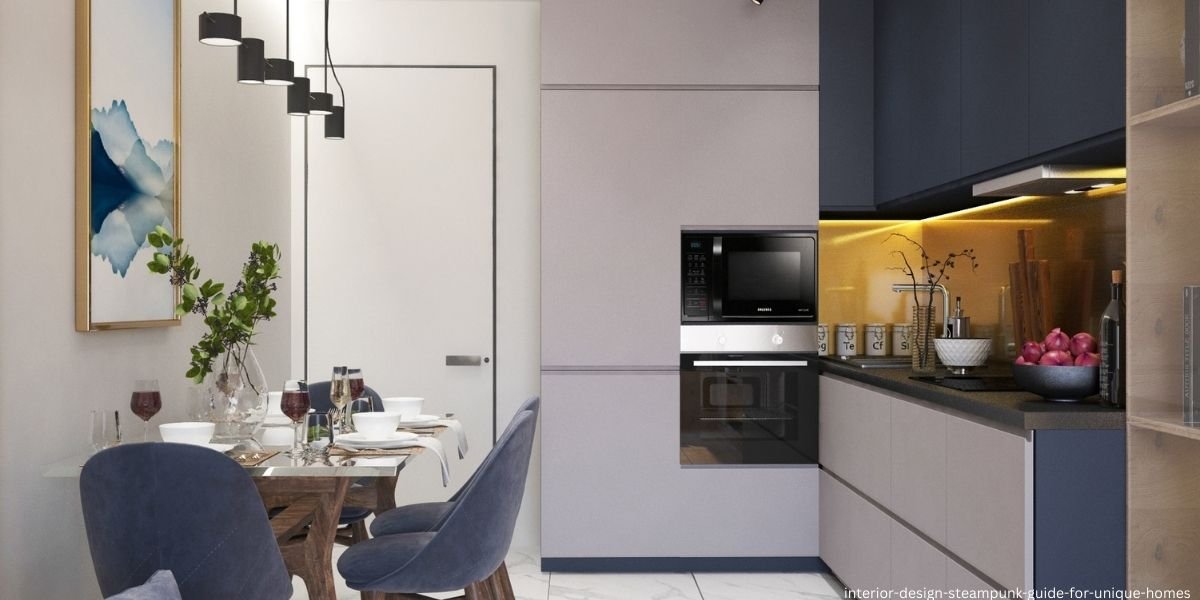
Core Materials, Colors & Textures in Interior Design Steampunk
Interior design steampunk relies heavily on its material palette to establish mood and authenticity. Metals dominate this style, especially brass, copper, iron, and steel. These metals are often aged or patinated to give an antique feel.
Wood plays an equally important role. Dark woods such as walnut, oak, and mahogany ground the design and add warmth. Reclaimed wood enhances the industrial narrative and sustainability aspect of interior design steampunk.
Color palettes in interior design steampunk favor earthy, subdued tones. Browns, blacks, deep greens, burgundy, and sepia tones create depth. Metallic accents add contrast without overpowering the space.
Textures are intentionally tactile. Leather upholstery, velvet cushions, brick walls, and concrete floors all contribute to the immersive experience of interior design steampunk.
Modern Interior Design Steampunk: Old Meets New
Modern interior design steampunk takes the traditional elements of the style and adapts them for contemporary living. Rather than overwhelming a space with heavy décor, modern steampunk interiors use strategic accents.
In modern interior design steampunk, clean layouts and neutral walls serve as backdrops for bold industrial pieces. A single steampunk lighting fixture, a gear-themed wall, or pipe shelving can define the style without clutter.
Technology integrates seamlessly in modern steampunk interiors. Smart lighting systems are concealed within vintage fixtures, maintaining aesthetic authenticity while offering modern convenience.
Interior Design Steampunk Ideas for Every Space
Interior design steampunk ideas vary depending on room function, scale, and personal preference. The versatility of this style allows it to adapt across living spaces while maintaining visual coherence.
Steampunk interiors thrive on storytelling. Each room should feel intentional, with décor elements serving both aesthetic and functional purposes. Balance is key to preventing visual overload.
Interior Design Steampunk Living Room
The living room is the heart of interior design steampunk. It offers the most flexibility for showcasing bold design elements. A steampunk living room often features leather sofas, riveted coffee tables, and reclaimed wood shelving.
Lighting is crucial in interior design steampunk living rooms. Oversized industrial chandeliers, Edison bulb clusters, and mechanical floor lamps create ambiance. Wall décor may include antique clocks, blueprints, or metal art installations.
Steampunk living room ideas emphasize comfort paired with character. Despite its industrial appearance, the space should feel inviting and functional.
Interior Design Steampunk Bedroom
Interior design steampunk bedroom concepts focus on intimacy and atmosphere. Iron bed frames, distressed wood headboards, and vintage trunks are common focal points.
Wall treatments in steampunk bedrooms often include exposed brick, textured wallpapers, or dark paint tones. Soft lighting enhances relaxation while maintaining the steampunk aesthetic.
Accessories such as mechanical clocks, brass lamps, and leather accents help complete the interior design steampunk bedroom without overpowering the space.
Interior Design Steampunk Kitchen
The kitchen is an unexpected yet powerful space for interior design steampunk. Copper cookware, open shelving, and industrial faucets create authenticity.
In interior design steampunk kitchen layouts, functionality remains essential. Exposed pipes can double as towel racks, while metal shelving provides both storage and visual appeal.
Lighting again plays a major role. Pendant lights with metal shades or exposed bulbs reinforce the industrial tone while offering practical illumination.
Steampunk Living Room Ideas (Advanced Styling)
Advanced steampunk living room ideas involve layering textures and décor thoughtfully. Mixing leather with velvet, metal with wood, and vintage with modern creates depth.
Artwork in interior design steampunk living rooms often depicts machinery, old maps, or fictional inventions. Rugs in muted tones soften the industrial feel and enhance comfort.
Steampunk Interior Design Minecraft
Steampunk interior design Minecraft has gained massive popularity among creative builders. Minecraft allows players to experiment with gears, pipes, and industrial structures in imaginative ways.
Steampunk interior design Minecraft builds often include mechanical doors, redstone-powered elevators, and industrial lighting systems. These digital creations mirror real-world steampunk interiors while pushing creative boundaries.
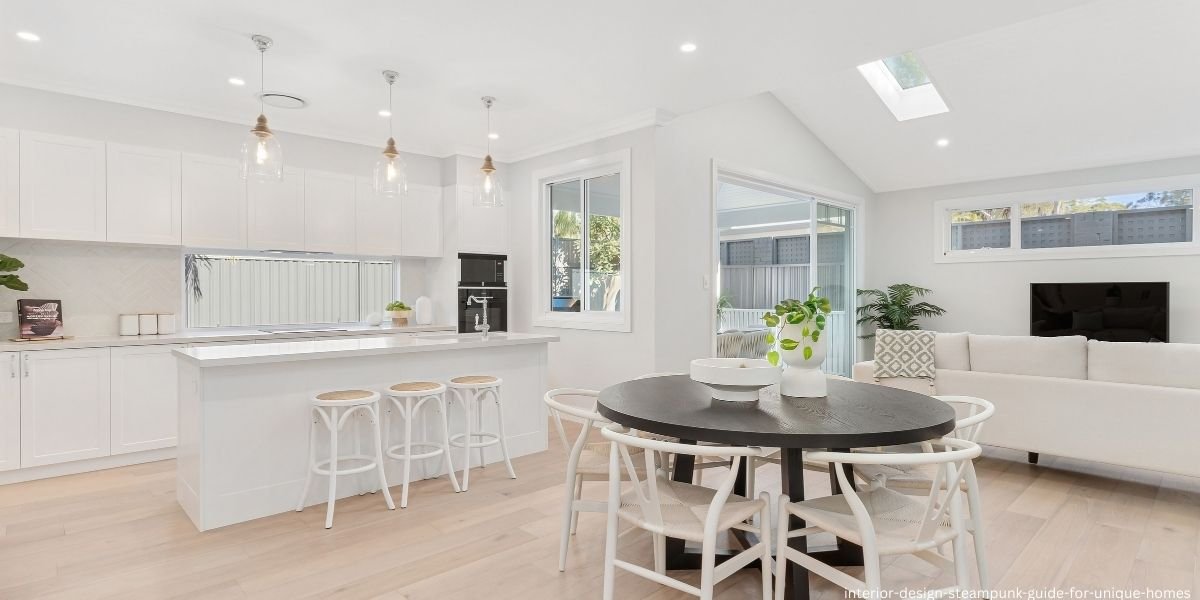
Interior Design Rules Explained (People Also Ask)
What Is the 3-5-7 Rule in Interior Design?
The 3-5-7 rule in interior design refers to using odd numbers of décor elements to create visual balance. In interior design steampunk, this rule works exceptionally well when arranging gears, wall art, or accessories.
What Is the 70/30 Rule in Interior Design?
The 70/30 rule divides a space into 70% dominant style and 30% accent style. In interior design steampunk, the base might be industrial or modern, while steampunk décor forms the accent.
What Is the 3-4-5 Rule in Interior Design?
The 3-4-5 rule relates to proportion and scale. It ensures that furniture and décor sizes relate harmoniously. Interior design steampunk benefits from this rule by preventing overcrowding.
Step-by-Step Guide to Designing Interior Design Steampunk
Designing interior design steampunk begins with choosing the intensity level. Decide whether you want subtle accents or a fully immersive theme.
Next, select statement pieces such as lighting fixtures, furniture, or wall installations. Build the design around these elements rather than adding everything at once.
Finally, balance fantasy with functionality. Interior design steampunk should be livable, not museum-like.
Common Mistakes to Avoid
Overloading décor is the most common mistake in interior design steampunk. Too many gears or dark tones can make a space feel heavy.
Ignoring lighting warmth is another issue. Cool lighting breaks the vintage illusion.
Budget-Friendly Interior Design Steampunk
Interior design steampunk does not have to be expensive. DIY gear art, thrifted furniture, and repurposed pipes can create authentic results at low cost.
Invest in one quality statement piece and build around it gradually.
Is Interior Design Steampunk Right for You?
Interior design steampunk is ideal for creatives, collectors, and those who value individuality. It suits lofts, studios, and themed homes but can also work in modern apartments with restraint.
FAQs – People Also Ask
What is steampunk interior design?
It is a design style inspired by Victorian industrial aesthetics combined with fantasy and mechanical elements.
Can interior design steampunk be modern?
Yes, modern interior design steampunk blends clean layouts with industrial accents.
Is steampunk suitable for small spaces?
Yes, when applied subtly using accent décor and lighting.
Final Thoughts: Why Interior Design Steampunk Is Timeless
Interior design steampunk is more than a trend—it is an expression of creativity, craftsmanship, and imagination. By blending history with innovation, this style creates interiors that feel alive, personal, and unforgettable.
Call to Action
If you’re ready to transform your space with interior design steampunk, start small, experiment boldly, and let your imagination lead. Whether designing a single room or an entire home, steampunk interiors offer endless creative freedom.