


As homeowners look to expand their living areas, whether through a finished basement, a converted garage, or a new sunroom addition, they often encounter a significant architectural hurdle: how to cool the space effectively. Traditional central HVAC systems are frequently sized specifically for the original square footage of a home. Forcing an existing unit to conditioned extra space can lead to a shorter lifespan for the compressor and uneven temperatures throughout the house. For small, isolated areas or new structural additions, the most sustainable approach is to look toward independent, high-efficiency cooling solutions that don’t require a complete overhaul of your existing ductwork.
Modern climate control technology has evolved to provide powerful cooling in compact packages, allowing for “zoning” that was once only available in commercial buildings. If you are struggling to keep a specific room comfortable during the high-desert summers, investing in ductless mini splits in Elko, NV offers a streamlined solution. These systems allow you to control the temperature of a single room independently from the rest of the house, ensuring that you only pay to cool the spaces you are actually using. This targeted approach is the gold standard for energy efficiency in modern home remodeling.
The Versatility of Ductless Technology
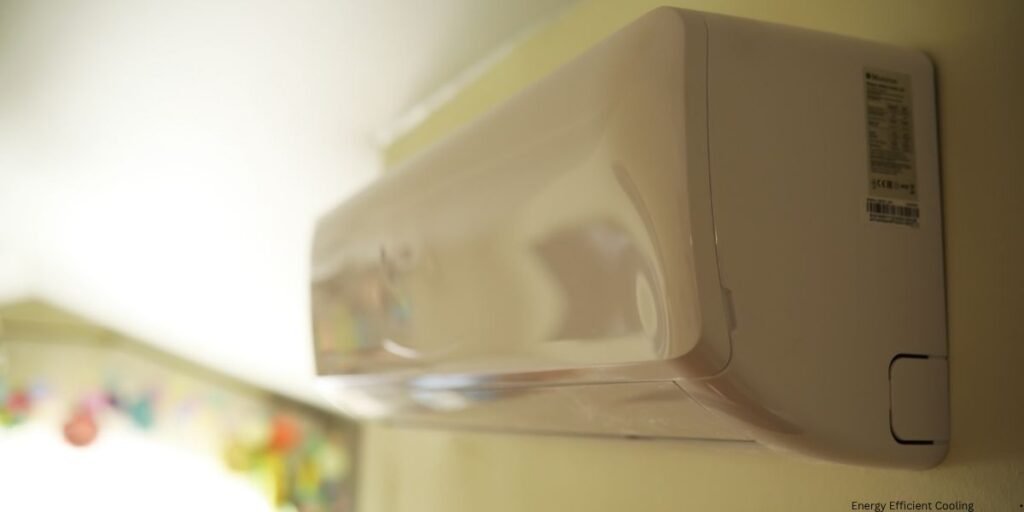
Ductless systems consist of two primary components: an outdoor compressor and an indoor air-handling unit. Unlike window units, which are noisy and pose a security risk, these systems are permanently installed and whisper-quiet. The connection between the indoor and outdoor units requires only a small three-inch hole through the wall for the conduit. This makes them ideal for historic homes or additions where extending bulky metal ductwork is either physically impossible or prohibitively expensive.
Beyond the ease of installation, the lack of ducts is a major win for energy conservation. In a typical central air system, up to 30% of energy consumption can be lost due to duct leaks or heat gain as air travels through unconditioned attics and crawlspaces. By delivering air directly into the room, ductless mini splits in Elko, NV, eliminate these losses entirely. This ensures that every bit of energy you pay for is converted directly into indoor comfort, rather than being wasted in the walls of your home.
Benefits of Zoned Cooling for Home Additions
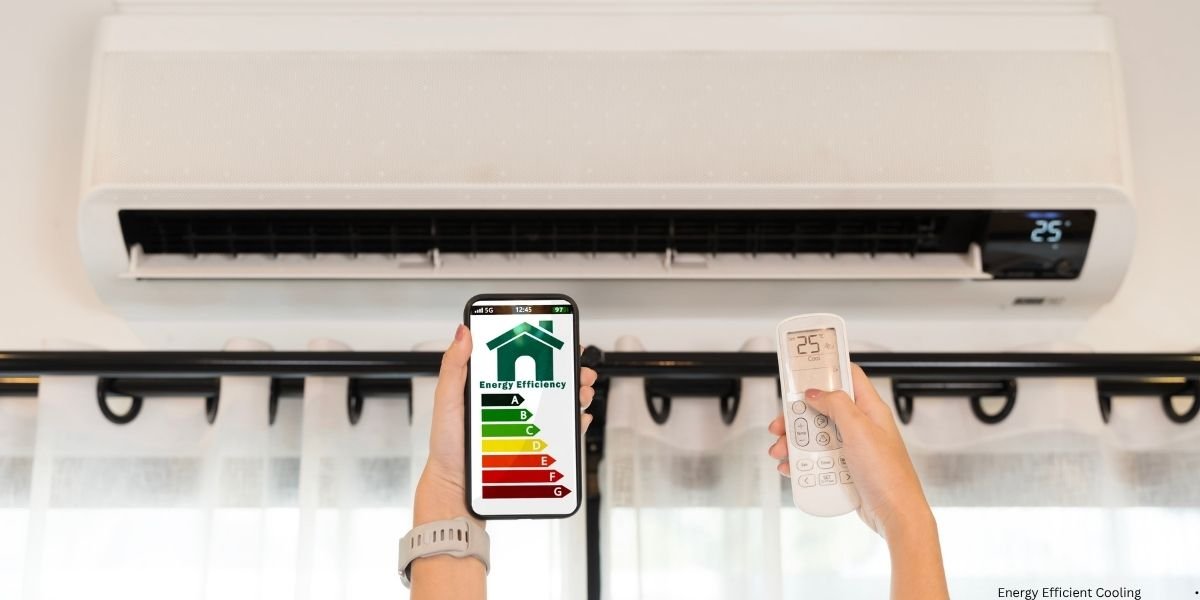
One of the greatest advantages of localized cooling is the ability to create custom comfort zones. If you have a home office that gets afternoon sun or a guest suite that is only used occasionally, a dedicated cooling system allows you to adjust settings without affecting the main thermostat. This level of granular control is particularly beneficial for additions such as “mother-in-law” suites or attic conversions, where the heat load differs significantly from that of the ground floor.
Inverter Technology and Variable Speeds
Modern cooling options often feature inverter-driven compressors. While traditional air conditioners are either “all on” or “all off,” an inverter system can speed up or slow down to maintain a constant temperature. This prevents the frequent “cycling” that wastes electricity and causes wear on mechanical parts. It results in a much more consistent indoor environment with fewer humidity swings, which is essential for home comfort in arid climates.
Comparing Small-Space Cooling Options
When choosing a system for a small space, it is important to weigh the long-term operational costs against the initial installation price. While a portable unit or a window AC might seem like a quick fix, they often lack the filtration and efficiency ratings necessary for year-round comfort. High-efficiency permanent solutions offer several distinct advantages:
Improved Air Quality: Advanced multi-stage filtration systems capture dust, allergens, and viruses more effectively than standard HVAC filters.
Dehumidification Modes: Many modern units feature a “dry mode” specifically designed to pull moisture from the air without over-cooling the room.
Quiet Operation: Indoor air handlers often operate at decibel levels lower than a human whisper, making them perfect for bedrooms and nurseries.
Heating Capabilities: Most ductless systems are heat pumps, providing efficient heating in the winter and cooling in the summer.
Aesthetic Flexibility: Indoor units can be mounted high on a wall, recessed into a ceiling, or even placed at floor level to match your interior design.
Maintenance and Longevity
Regardless of the system you choose, routine maintenance is the key to maintaining energy efficiency. Because these units are compact, keeping the filters clean is vital for ensuring proper airflow across the coils. Most homeowners can easily clean the filters every month, but a professional checkup once a year is recommended to verify refrigerant levels and clear the condensate drain lines. A well-maintained system can easily provide twenty years of reliable service, making it one of the most cost-effective upgrades you can make to your home’s infrastructure.
Conclusion
Expanding your home’s footprint shouldn’t mean expanding your energy bills. By choosing a dedicated, energy-efficient cooling option for your small spaces and additions, you can enjoy tailored comfort without straining your primary HVAC system. Ductless technology provides the flexibility, quiet operation, and cost-savings that modern homeowners demand. Whether you are building a new workshop or finally finishing that attic, a targeted cooling strategy ensures your new space is usable and comfortable year-round.