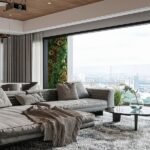

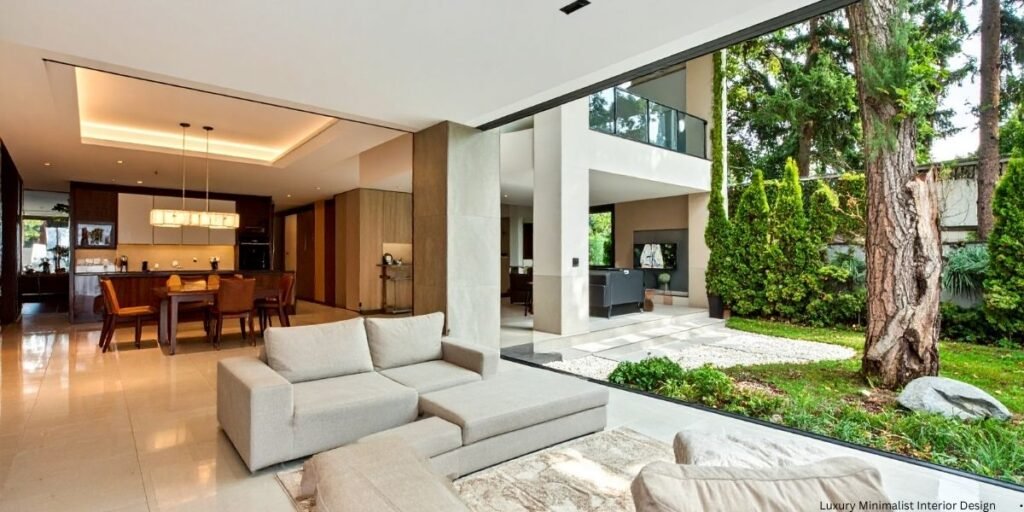

Luxury minimalist interior design is a refined style that combines clean simplicity with high-end materials and thoughtful detailing. It removes visual clutter while enhancing elegance through space, light, and premium finishes.
Instead of filling a home with décor, this approach focuses on intentional design choices that make every element meaningful, functional, and visually balanced.
This style is strongly influenced by modern architectural movements seen in cities like Tokyo, Milan, and New York, where simplicity and sophistication coexist.
Why Luxury Minimalist Interior Design Is Trending
The demand for luxury minimalist interior design is increasing across the USA because modern living requires calm, functional, and visually clean spaces.
Key reasons behind its popularity:
- Urban homes are getting smaller and need smart design
- People prefer calm environments over cluttered luxury
- Social media trends (Pinterest, Instagram) promote clean aesthetics
- High-end buyers want subtle, timeless luxury instead of flashy décor
This trend is also shaped by design philosophies from Tadao Ando and John Pawson, who emphasize simplicity, light, and spatial balance.
Core Principles of Luxury Minimalist Interior Design
1. “Less but Better” Philosophy
Every item must have purpose, function, and aesthetic value.
2. Clean Lines and Open Space
Straight architectural lines and open layouts create a sense of luxury and calm.
3. Premium Material Focus
Luxury minimalism depends on materials, not decoration:
- Marble and travertine
- Natural wood (oak, walnut)
- Linen, wool, cotton
- Brass and matte black metals
4. Neutral Color Palette
Common tones include:
- Warm white
- Beige
- Sand
- Soft grey
- Black accents
5. Lighting as Architecture
Lighting is not decoration—it is structure:
- Hidden LED lighting
- Warm ambient glow
- Natural light maximization
Luxury Minimalist Interior Design vs Standard Minimalism
| Feature | Standard Minimalism | Luxury Minimalism |
|---|---|---|
| Focus | Simplicity | Simplicity + luxury |
| Materials | Basic | Premium natural |
| Furniture | Functional only | Designer + custom |
| Emotion | Neutral | Elegant + calming |
| Cost | Lower | Mid to high |
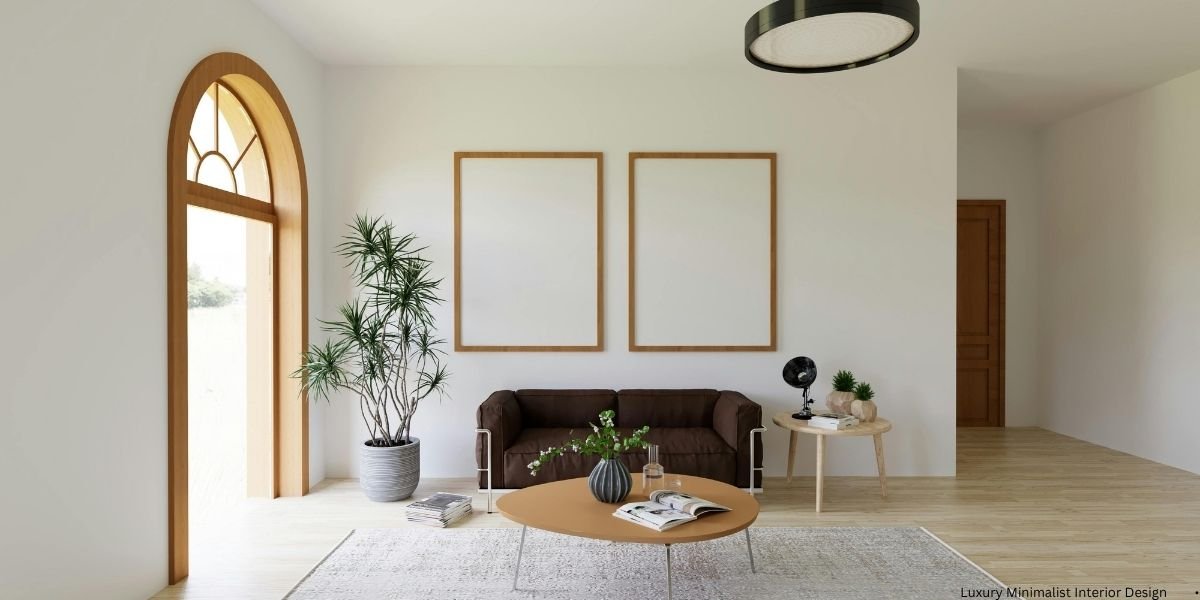
Step-by-Step: How to Achieve Luxury Minimalist Interior Design
Step 1: Declutter Completely
Remove unnecessary furniture, décor, and unused items. Keep only essentials.
Step 2: Build a Neutral Base
Start with walls, flooring, and large furniture in neutral tones.
Step 3: Choose Statement Pieces
Instead of many items, invest in:
- A premium sofa
- A sculptural dining table
- A signature lighting fixture
Step 4: Add Texture Layers
Use soft materials to avoid a “cold” look:
- Linen curtains
- Wool rugs
- Wooden accents
Step 5: Design Lighting Layers
Lighting defines luxury:
- Warm ambient lighting
- Cove lighting
- Soft indirect lamps
Step 6: Minimal Styling Only
Use very limited décor:
- Ceramic vases
- Abstract art
- Sculptural objects
Room-by-Room Luxury Minimalist Ideas
Living Room
- Open layout with breathing space
- Neutral sectional sofa
- Hidden storage
- One focal art piece
Bedroom
- Floating bed design
- Soft layered lighting
- Built-in wardrobes
- Calm, uncluttered atmosphere
Kitchen
- Handleless cabinets
- Quartz or marble counters
- Integrated appliances
- Clean surface design
Bathroom
- Stone finishes
- Frameless glass showers
- Spa-inspired lighting
Materials That Define Luxury Minimalist Interior Design
Material selection is the foundation of this style.
Essential materials:
- Natural stone (marble, limestone)
- Solid wood (walnut, oak)
- Matte metals (brushed brass, black steel)
- High-end fabrics (linen, cotton, wool)
These materials create a tactile sense of luxury without excess decoration.
Cost of Luxury Minimalist Interior Design (USA)
Costs vary based on customization and city.
- Basic minimalist upgrade: $5,000 – $20,000
- Mid-range design: $20,000 – $80,000
- High-end luxury interiors: $80,000 – $500,000+
Cost factors:
- Material quality
- Designer expertise
- Custom furniture
- Location (NYC vs smaller states)
Common Mistakes to Avoid
1. Over-Minimalism
Too empty spaces feel cold and lifeless.
2. Cheap Luxury Imitation
Fake marble or low-quality finishes ruin the design.
3. Poor Lighting Planning
Bad lighting destroys even expensive interiors.
4. Random Furniture Selection
Every piece must match the design language.
Who Should Use Luxury Minimalist Interior Design?
This style is ideal for:
- Urban homeowners in the USA
- Apartment and condo owners
- Professionals seeking calm spaces
- Luxury property investors
- Modern families wanting organization
Psychological Impact of Luxury Minimalism
This design style improves:
- Focus and productivity
- Mental clarity
- Emotional relaxation
- Stress reduction
It creates a lifestyle of calm, control, and sophistication.
Expert Design Insight
Designers emphasize:
- Quality over quantity
- Natural light usage
- Spatial harmony
- Emotional connection with materials
Brands like Muji and design philosophies inspired by Tadao Ando reinforce this global movement.
USA Regional Design Trends
- New York: Compact luxury apartments with hidden storage
- Los Angeles: Open indoor-outdoor minimalist luxury homes
- Miami: Bright coastal minimalist interiors
- San Francisco: Tech-inspired clean design homes
FAQs
1. What is luxury minimalist interior design?
It is a style that blends minimalism with premium materials and elegant simplicity.
2. How do I make my home luxury minimalist?
Use neutral colors, premium materials, simple furniture, and minimal décor.
3. Is luxury minimalist design expensive?
It can range from affordable to very high-end depending on materials.
4. What colors are best for this style?
White, beige, grey, sand, and black accents.
5. Can it work in small homes?
Yes, it makes small spaces feel bigger and cleaner.
6. What is the main rule of this design style?
“Less but better”—only keep what adds value.
7. What makes a home look luxurious but minimal?
High-quality materials, lighting design, and clean architecture.
Conclusion
Luxury minimalist interior design is a timeless approach that focuses on simplicity, space, and premium quality. It is not about having less—it is about having only what truly matters.
By combining clean design, natural materials, and thoughtful lighting, any home can achieve a modern luxury feel that is elegant, calming, and highly functional.